Introduction
Through the past few years, I’ve been imagining this to be a research, a personal essay, a poetic documentary film, sometimes a soundscape. May I enjoy the liberty not to choose, not to claim anymore?
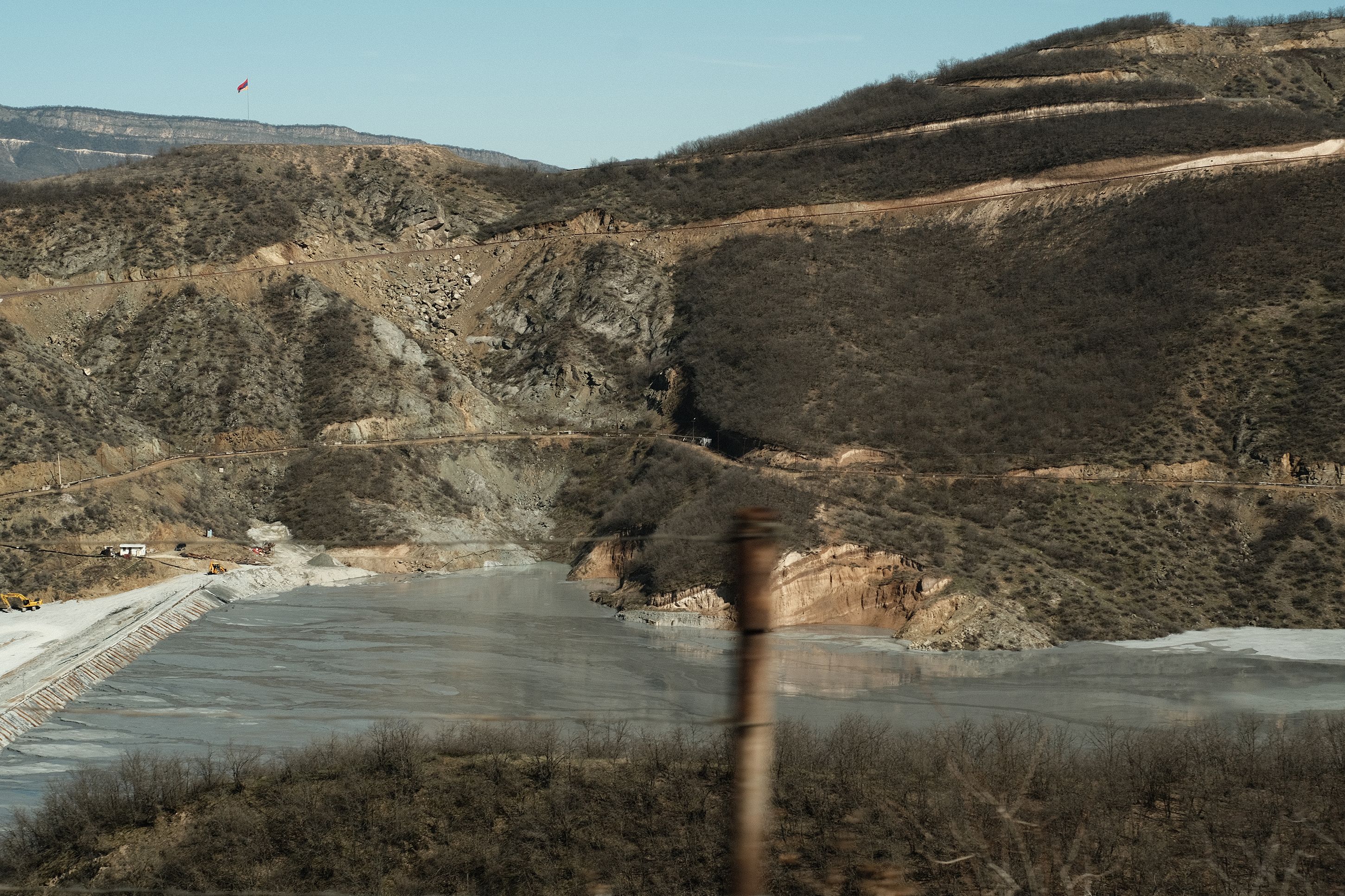
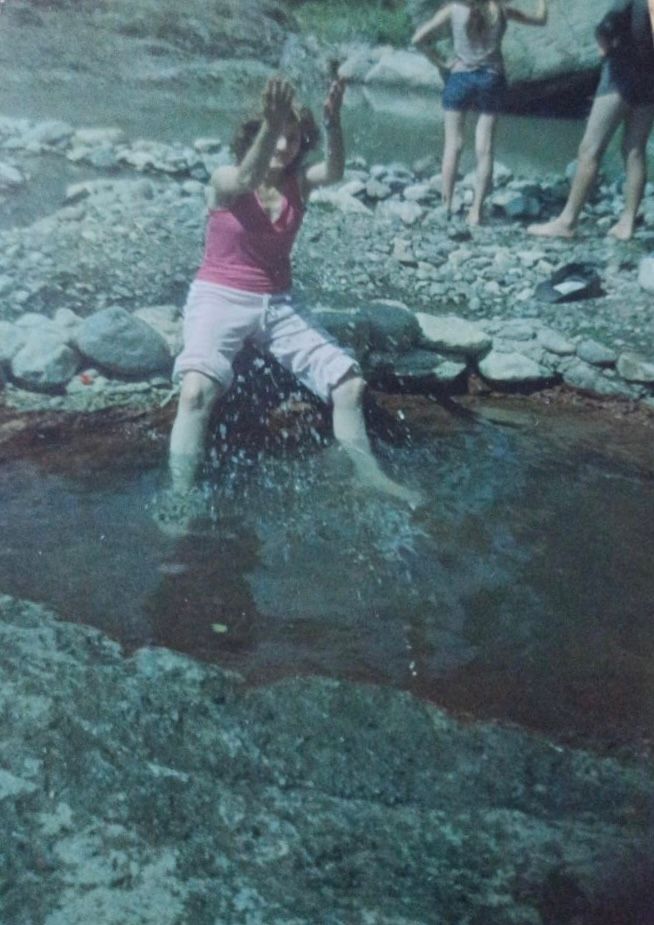
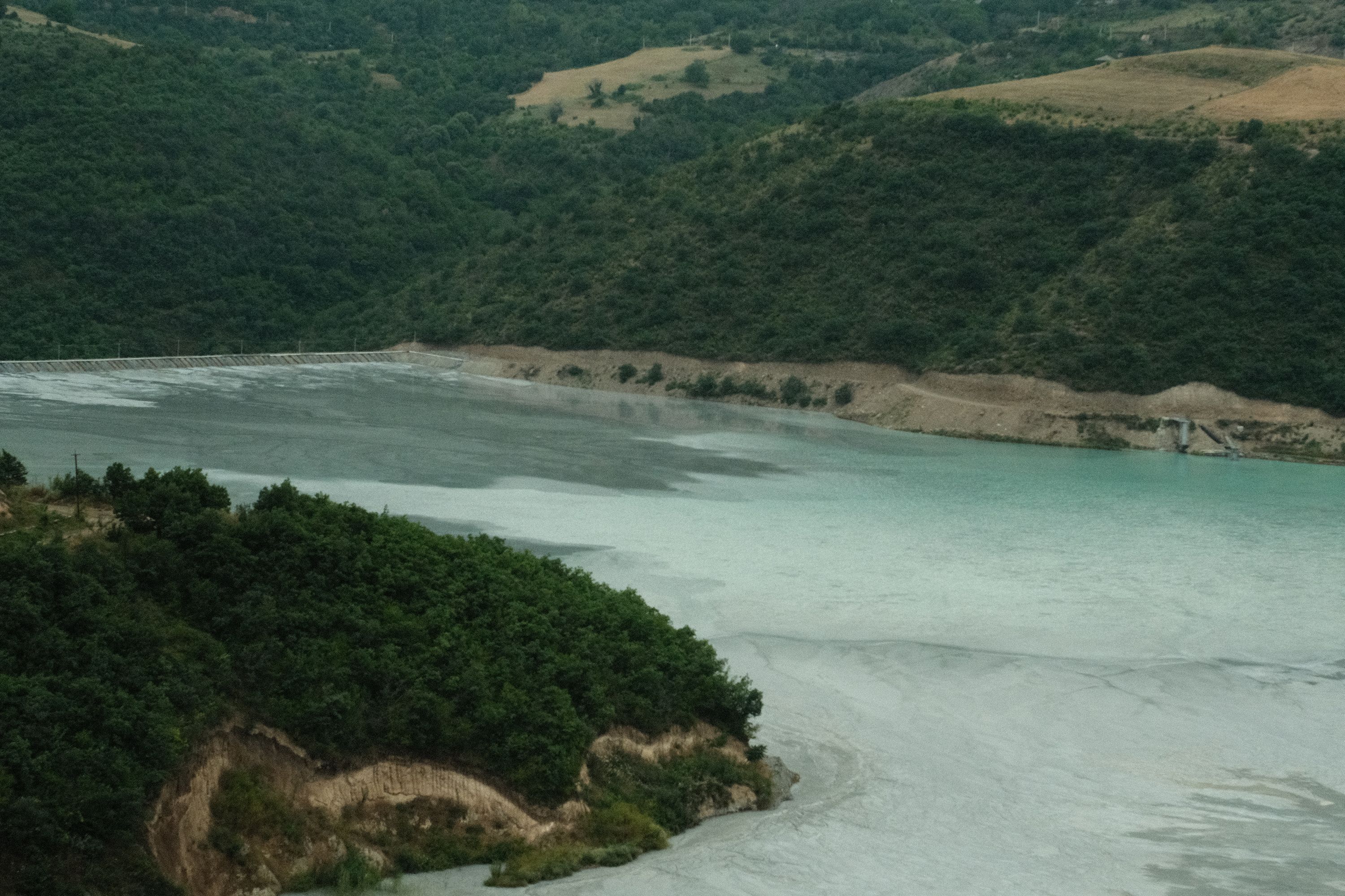
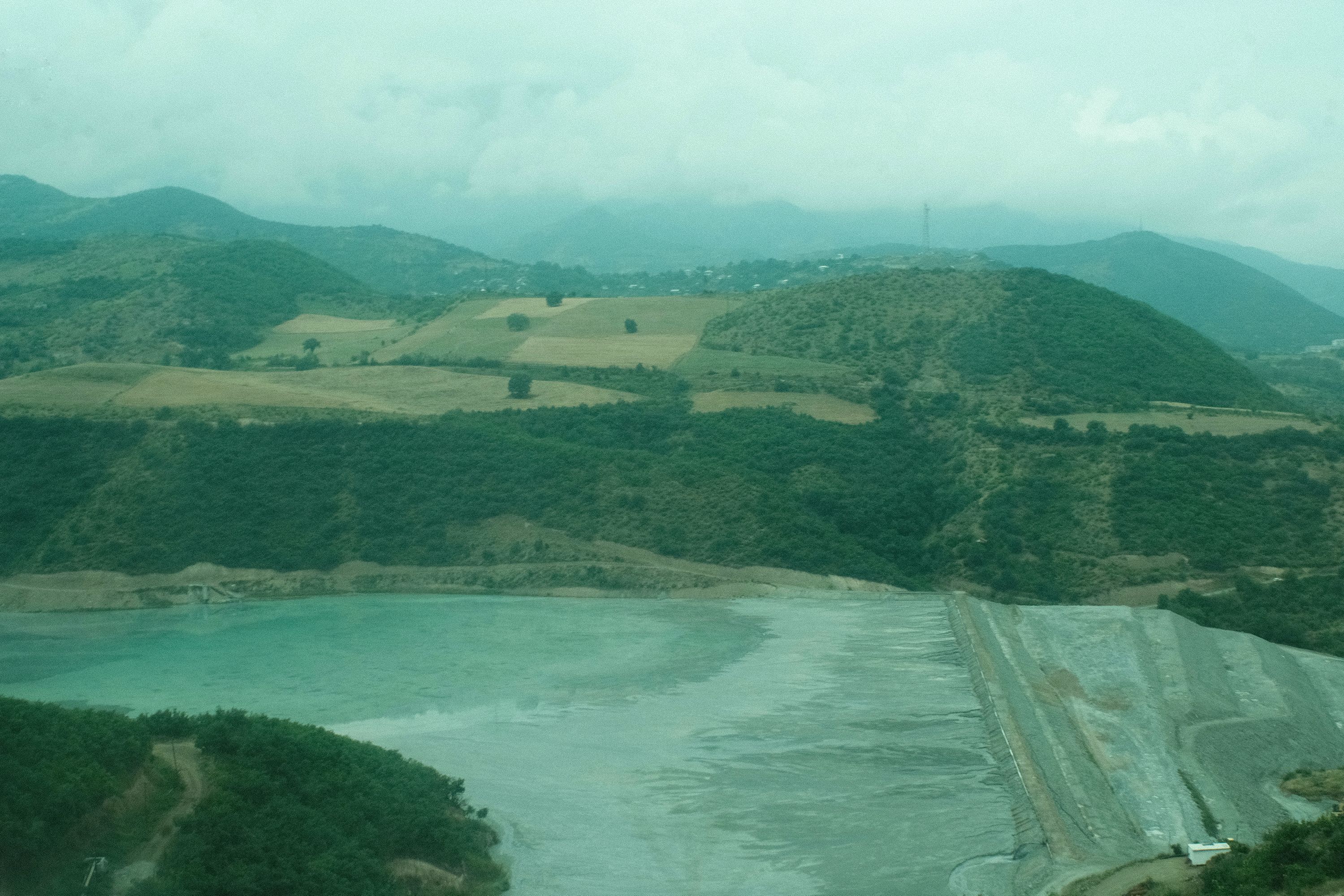
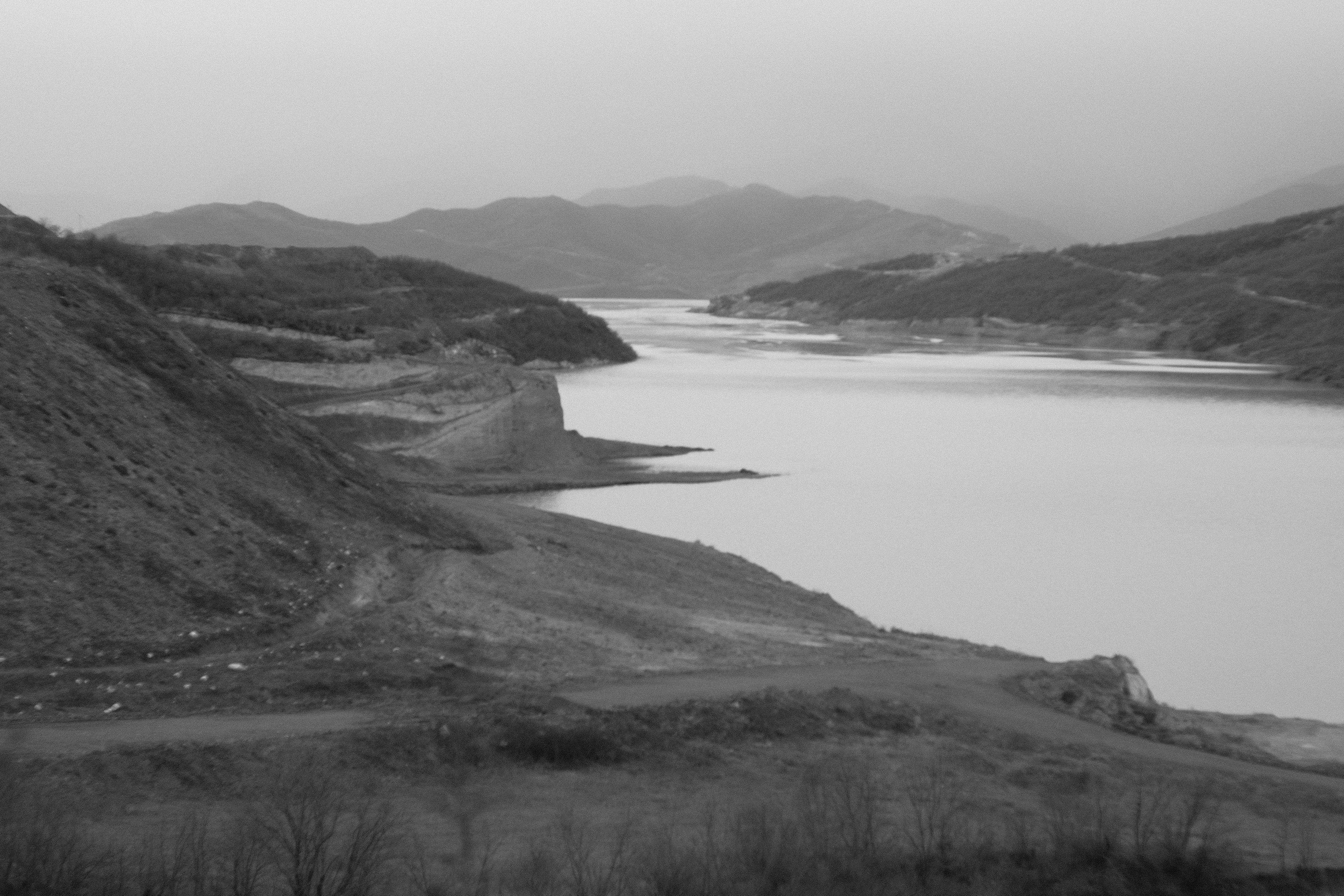
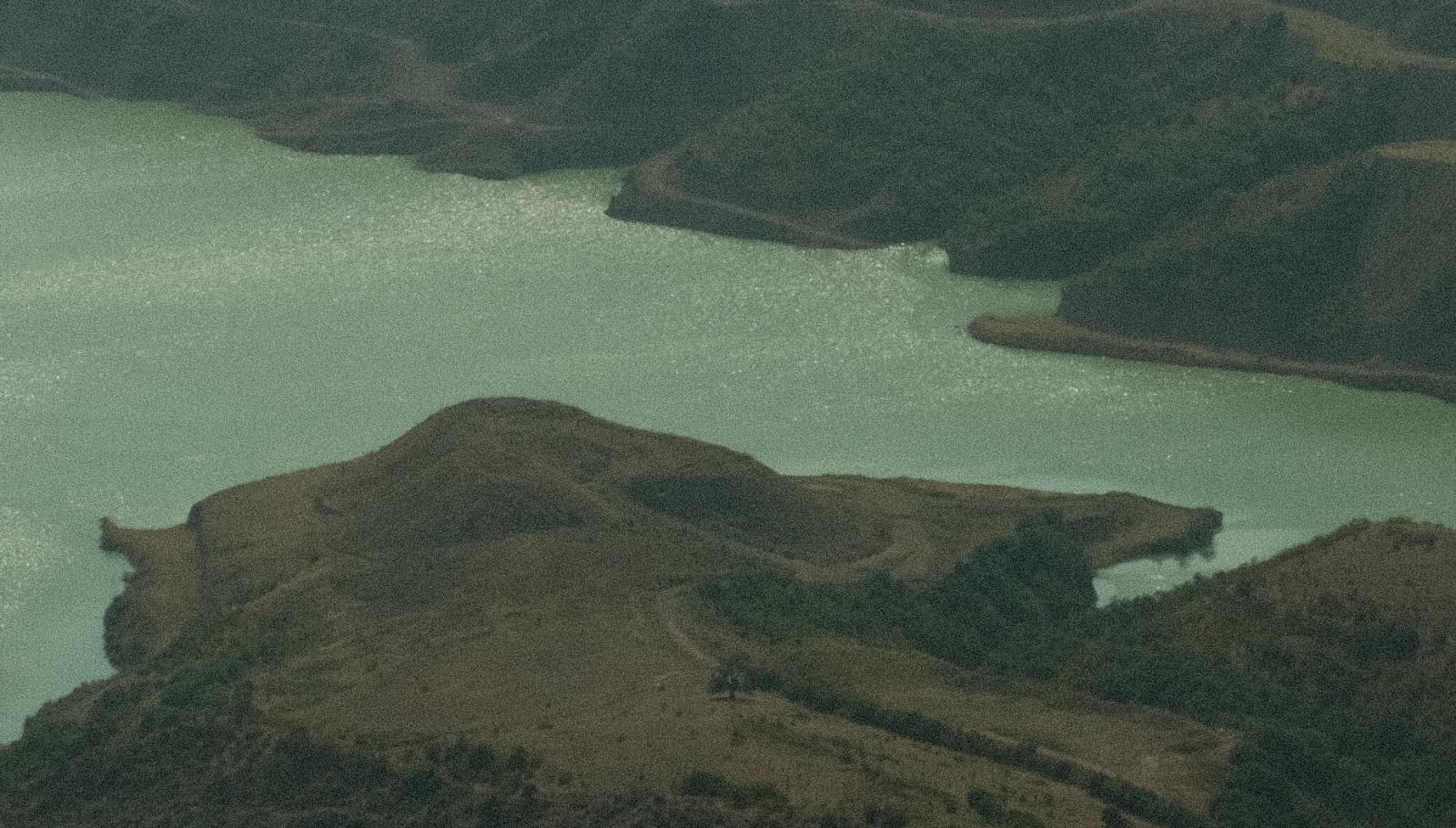
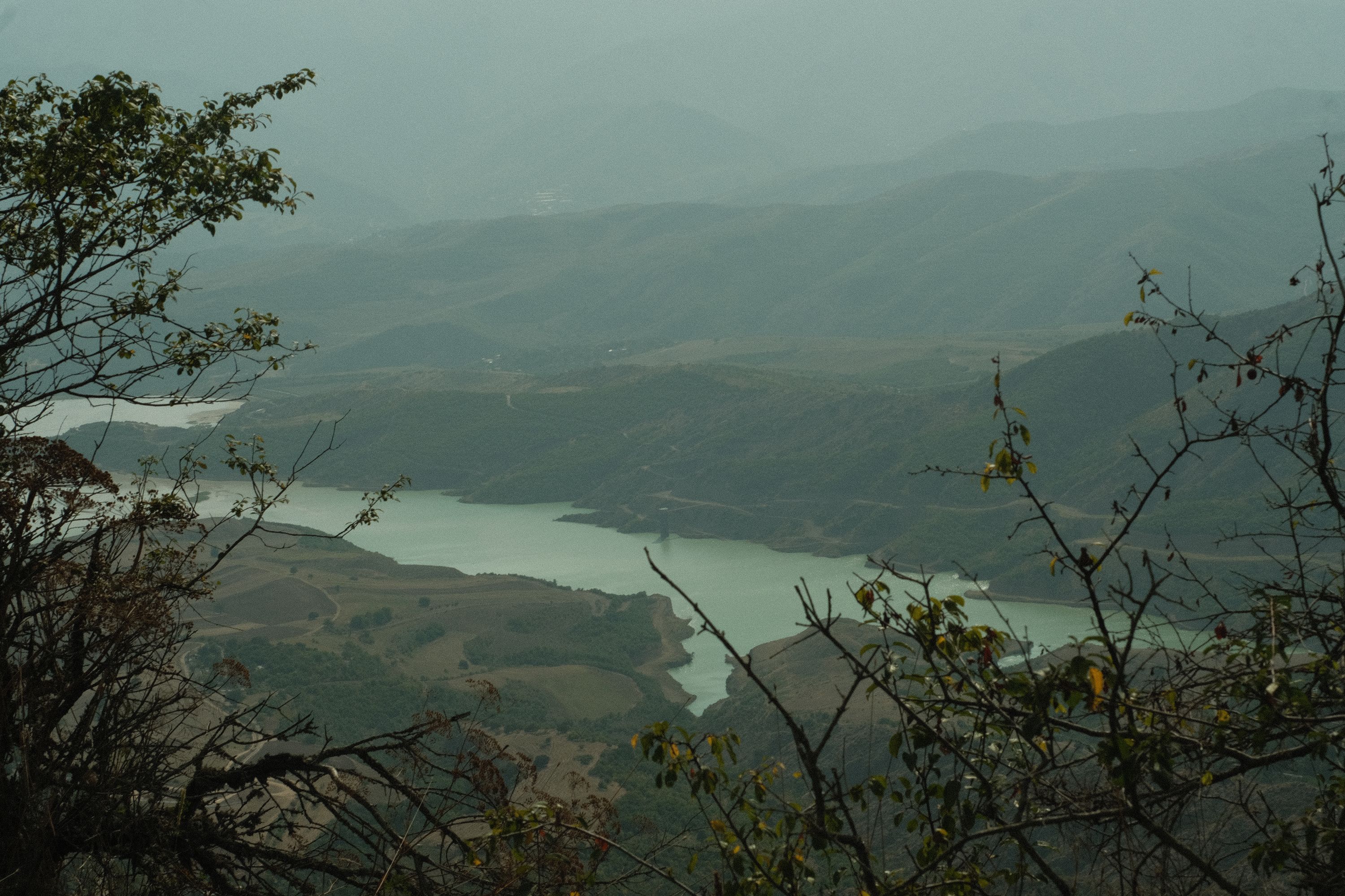
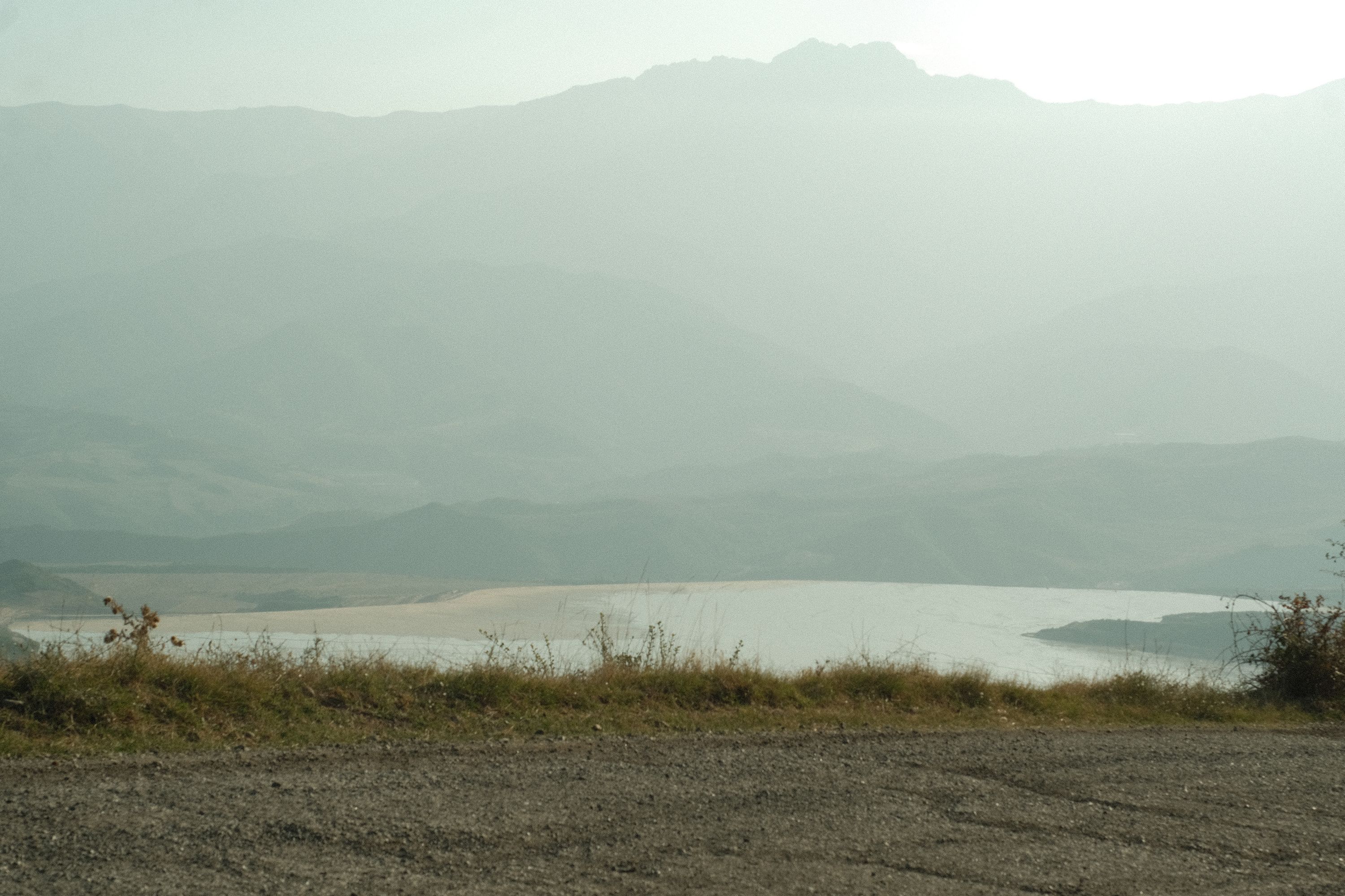
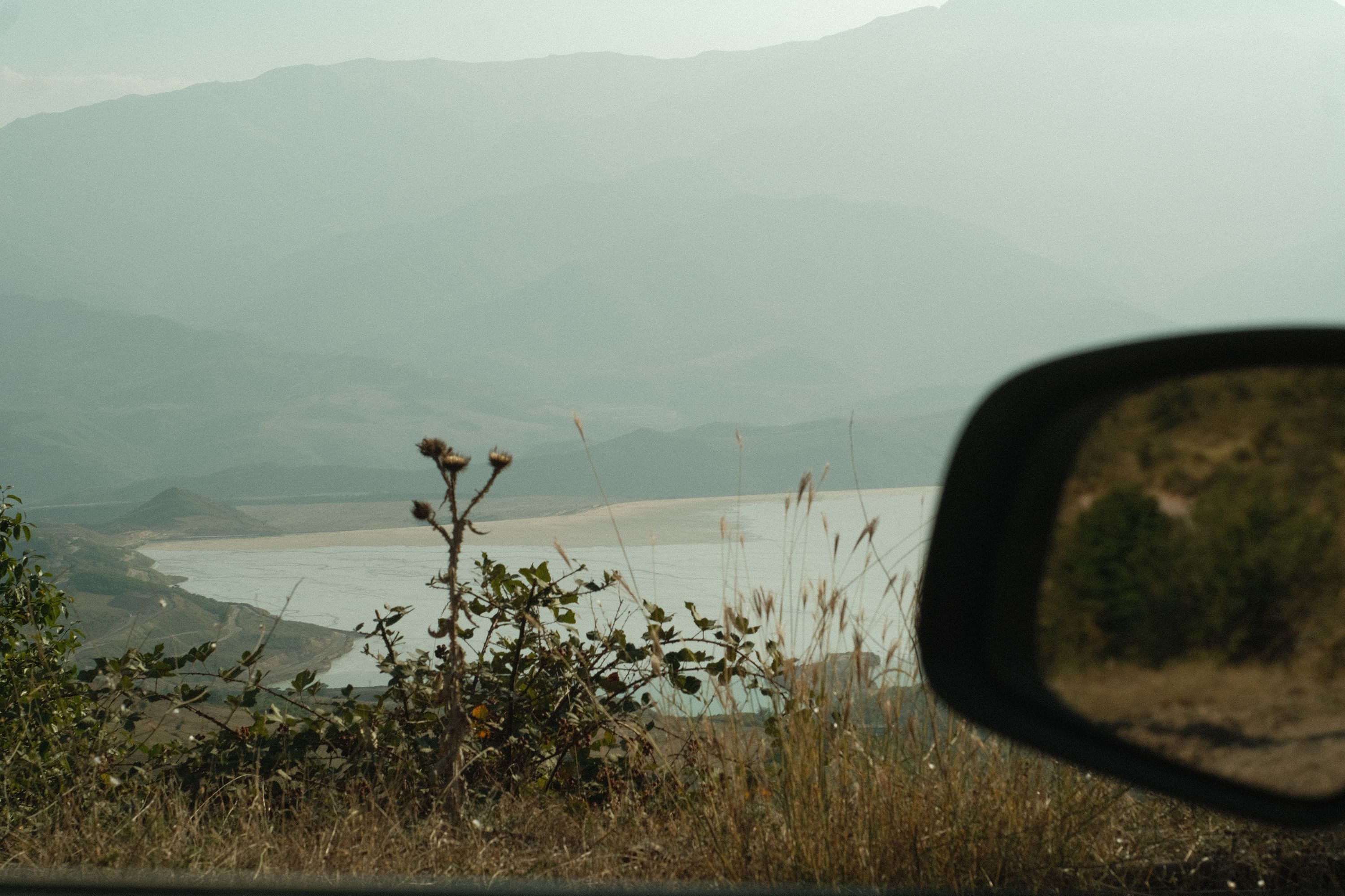
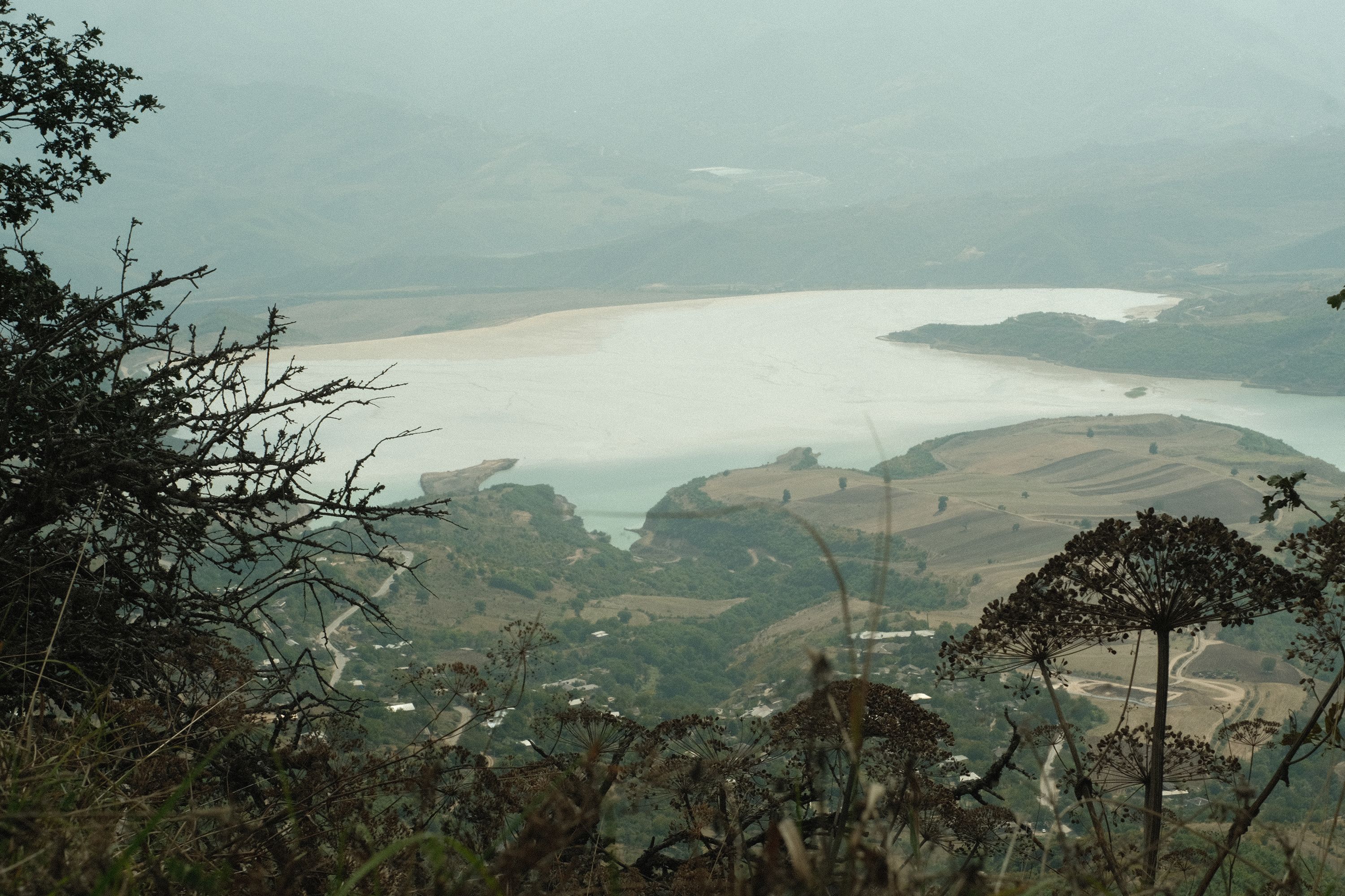
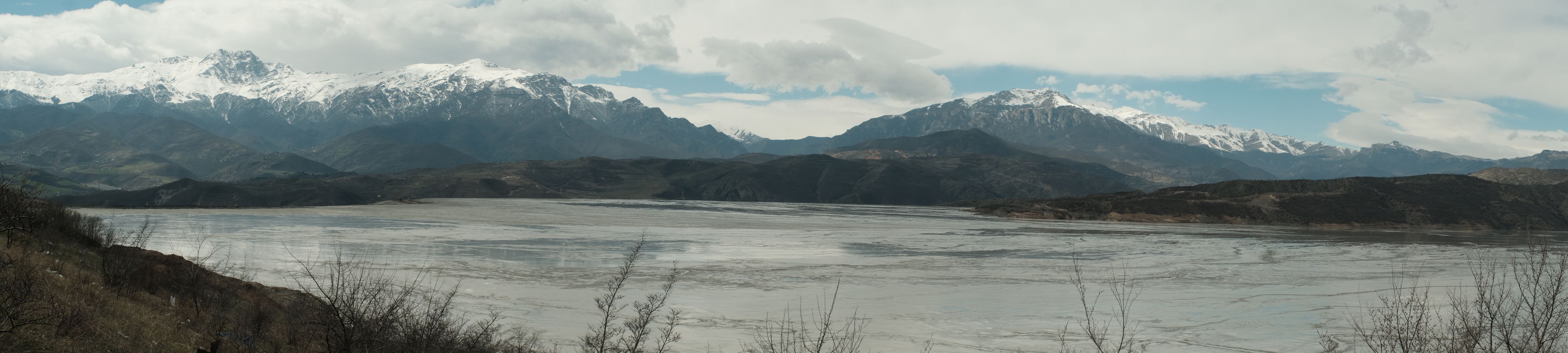
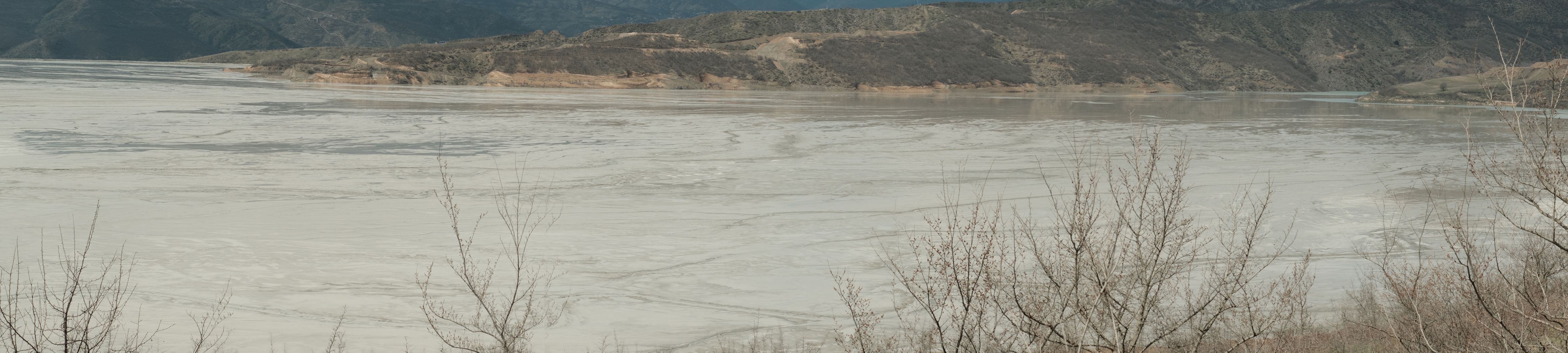
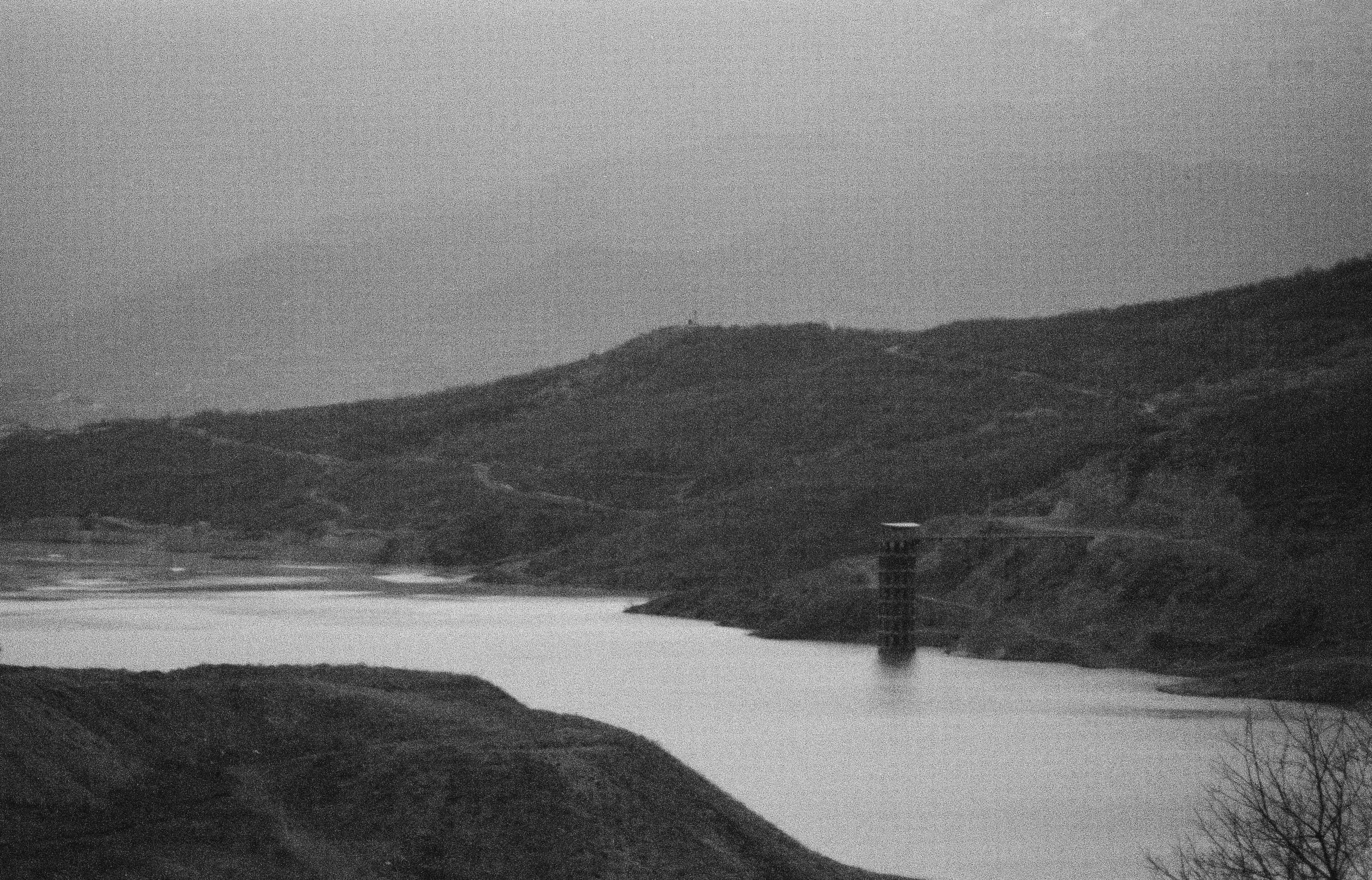
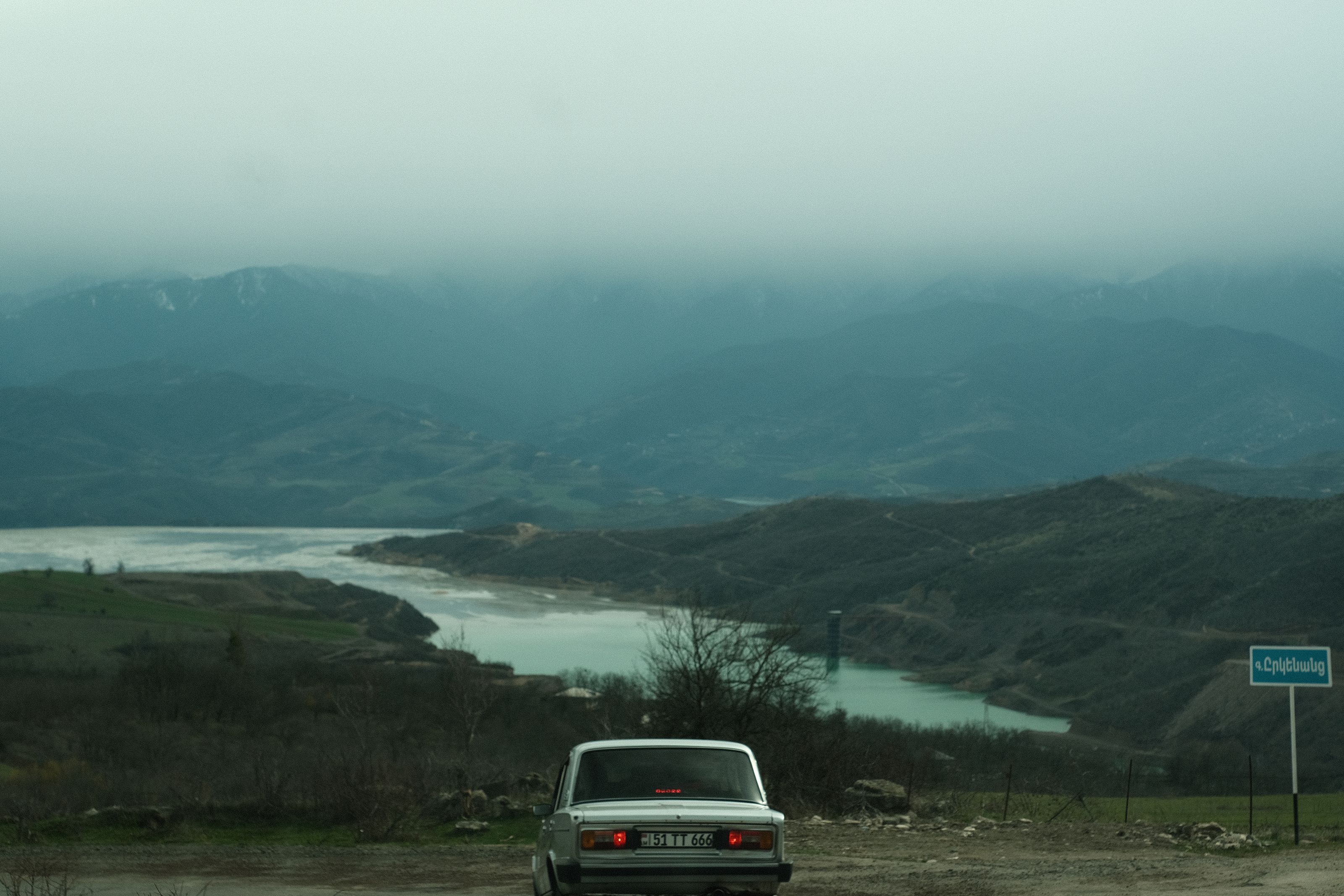
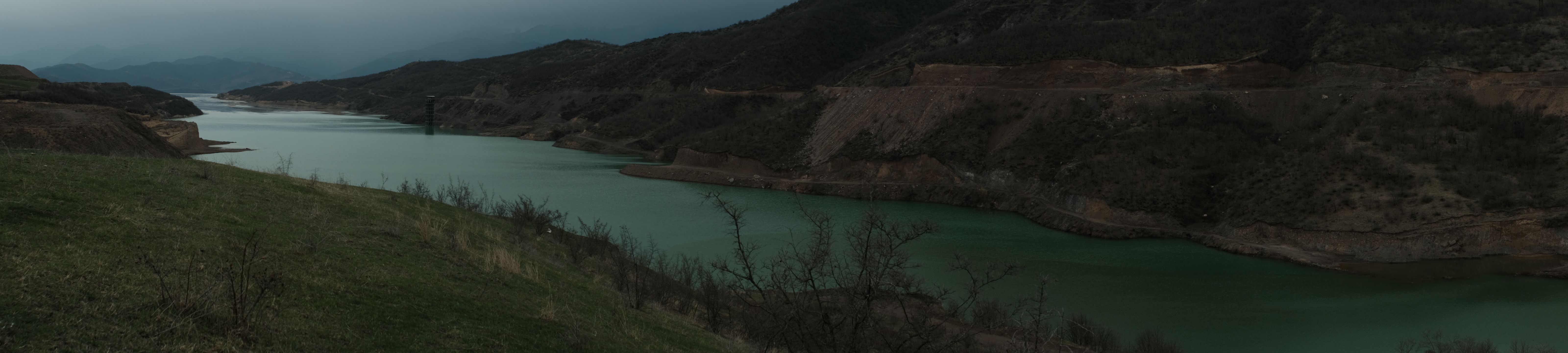
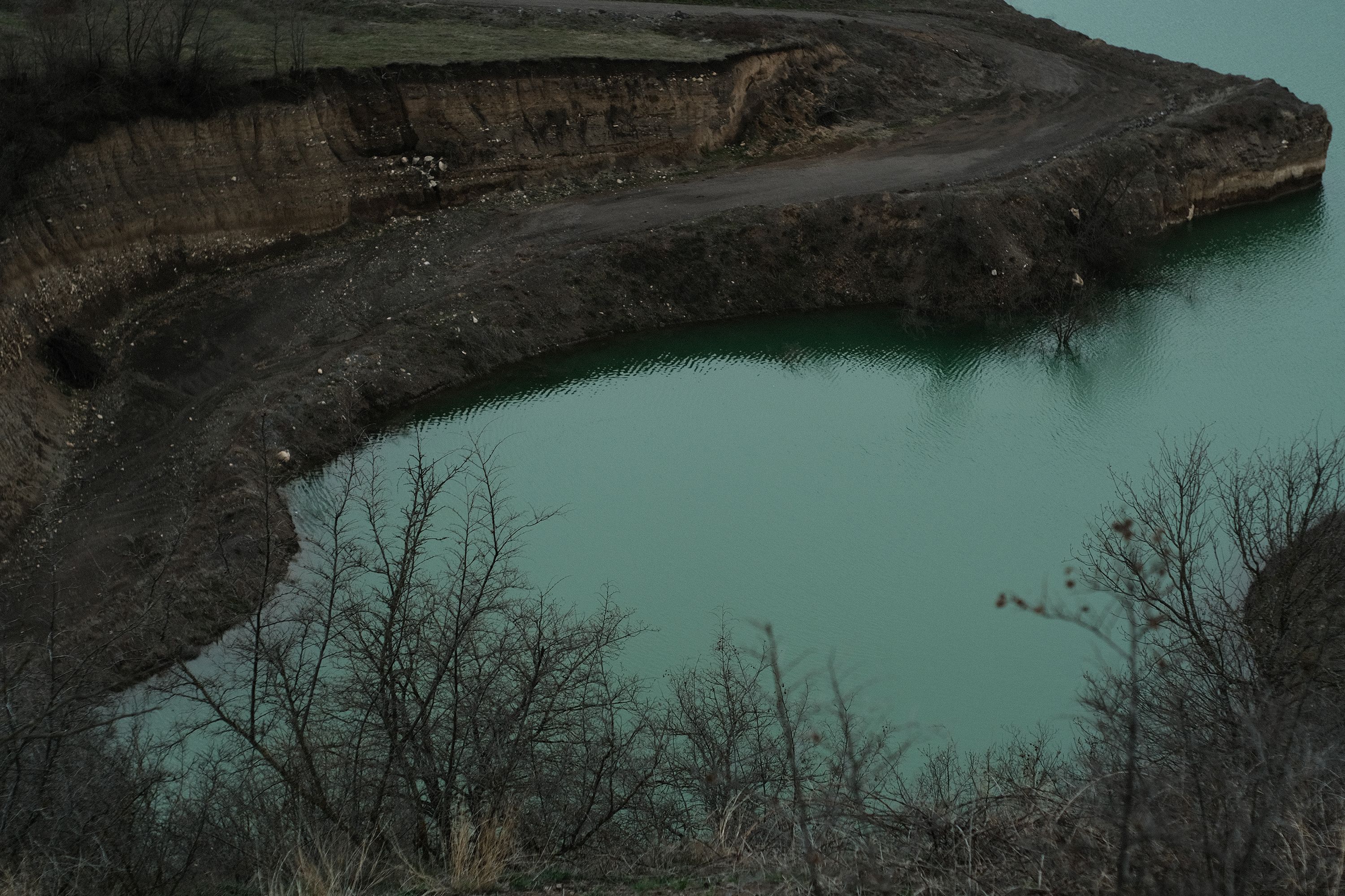
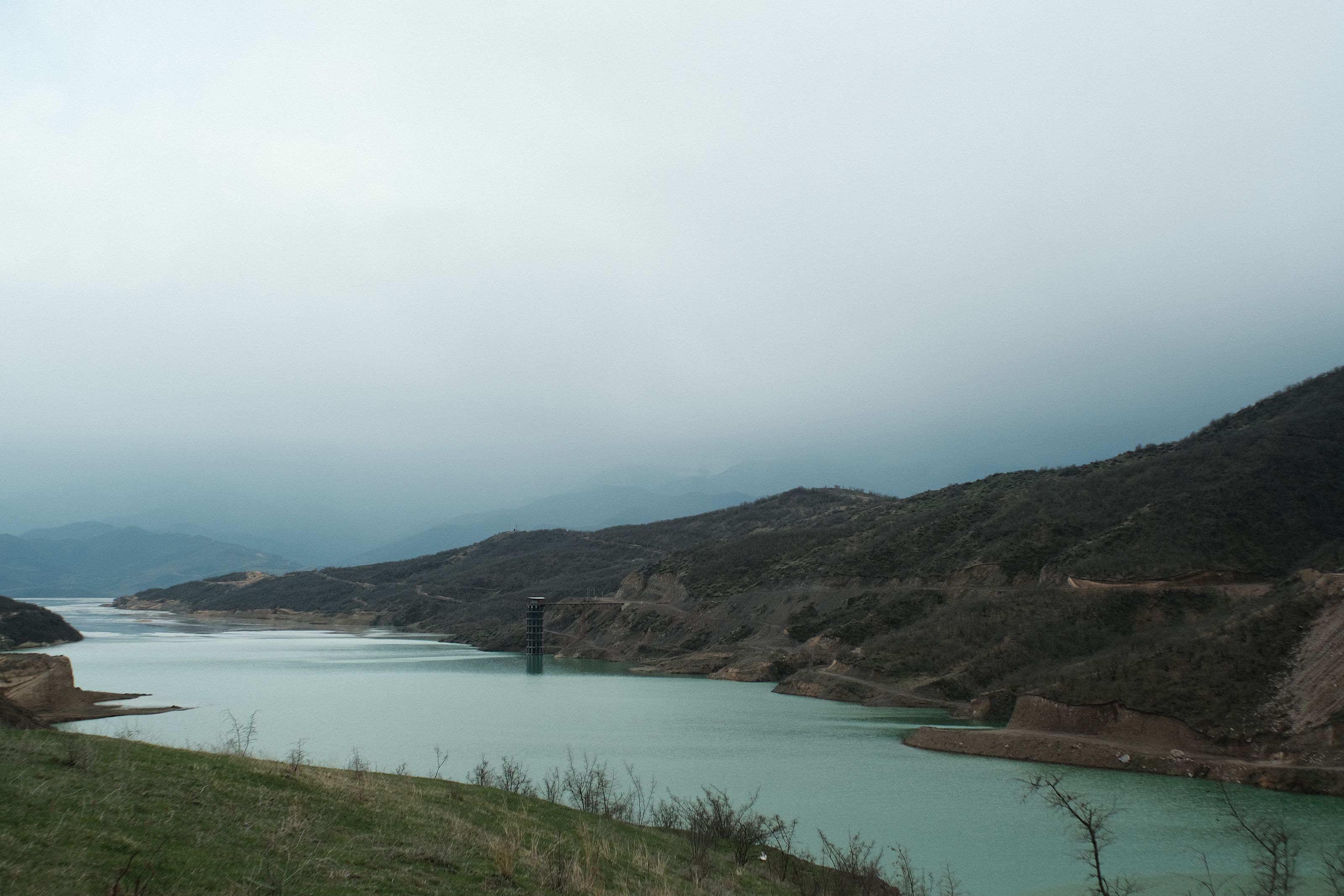
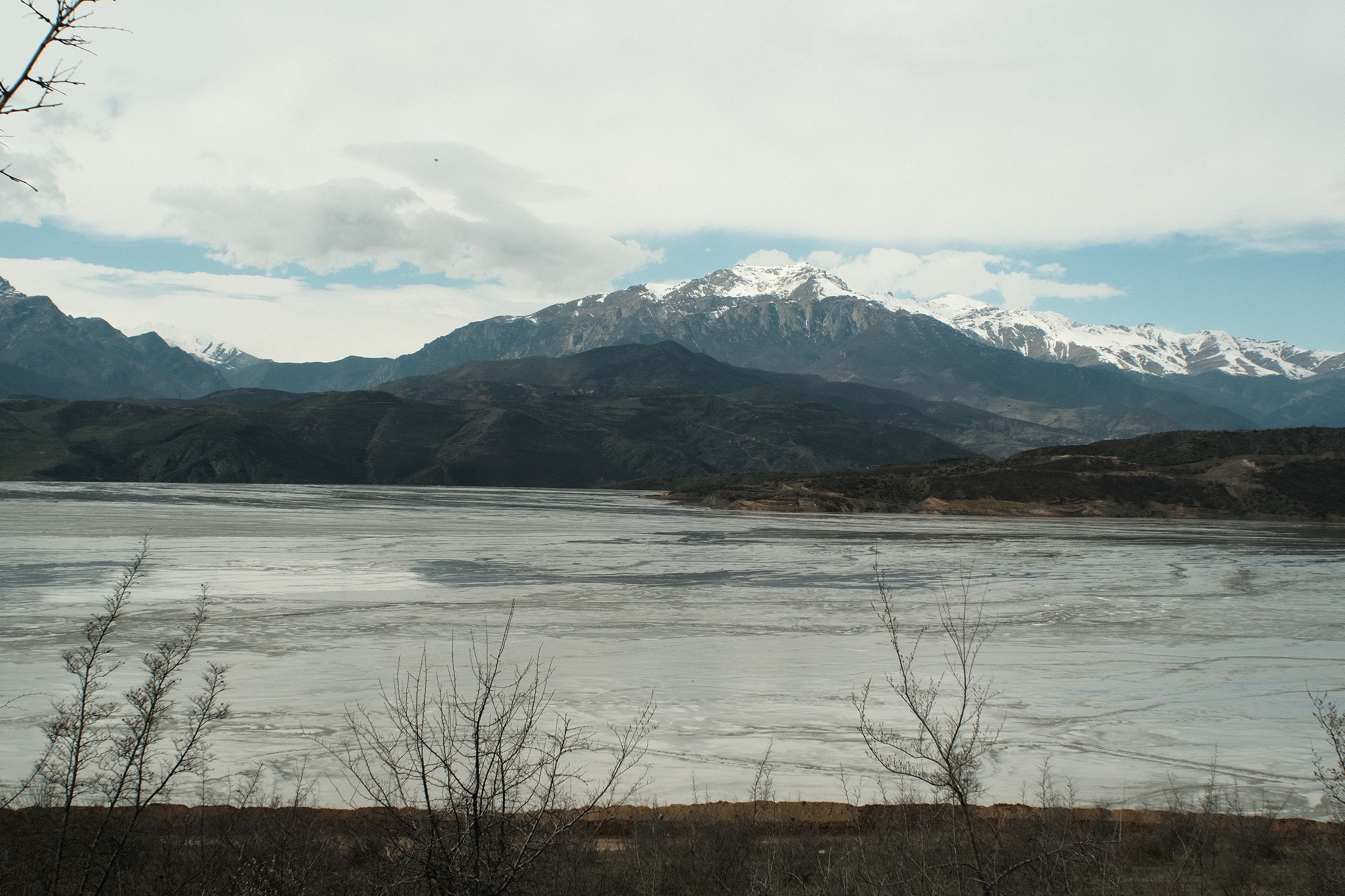
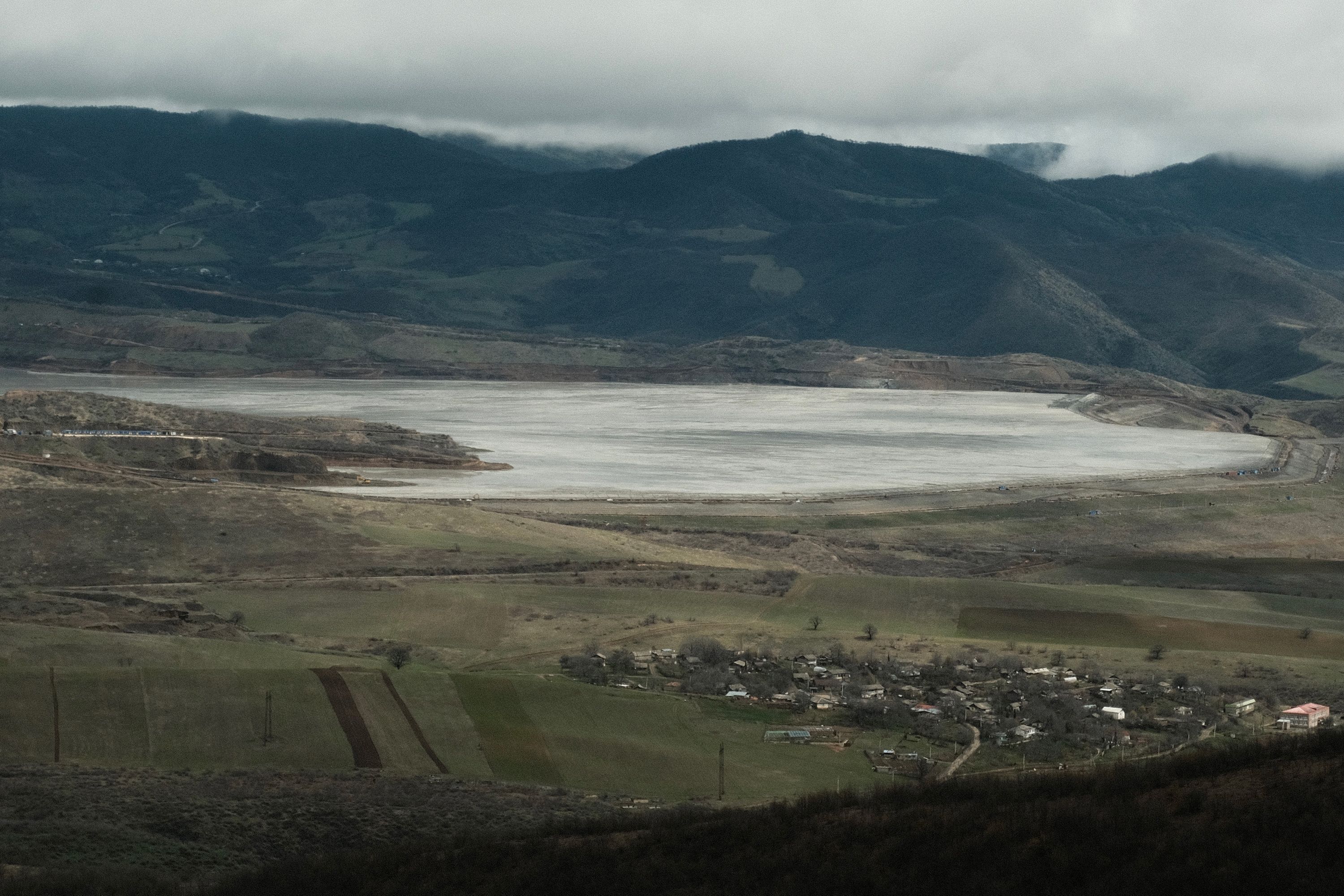
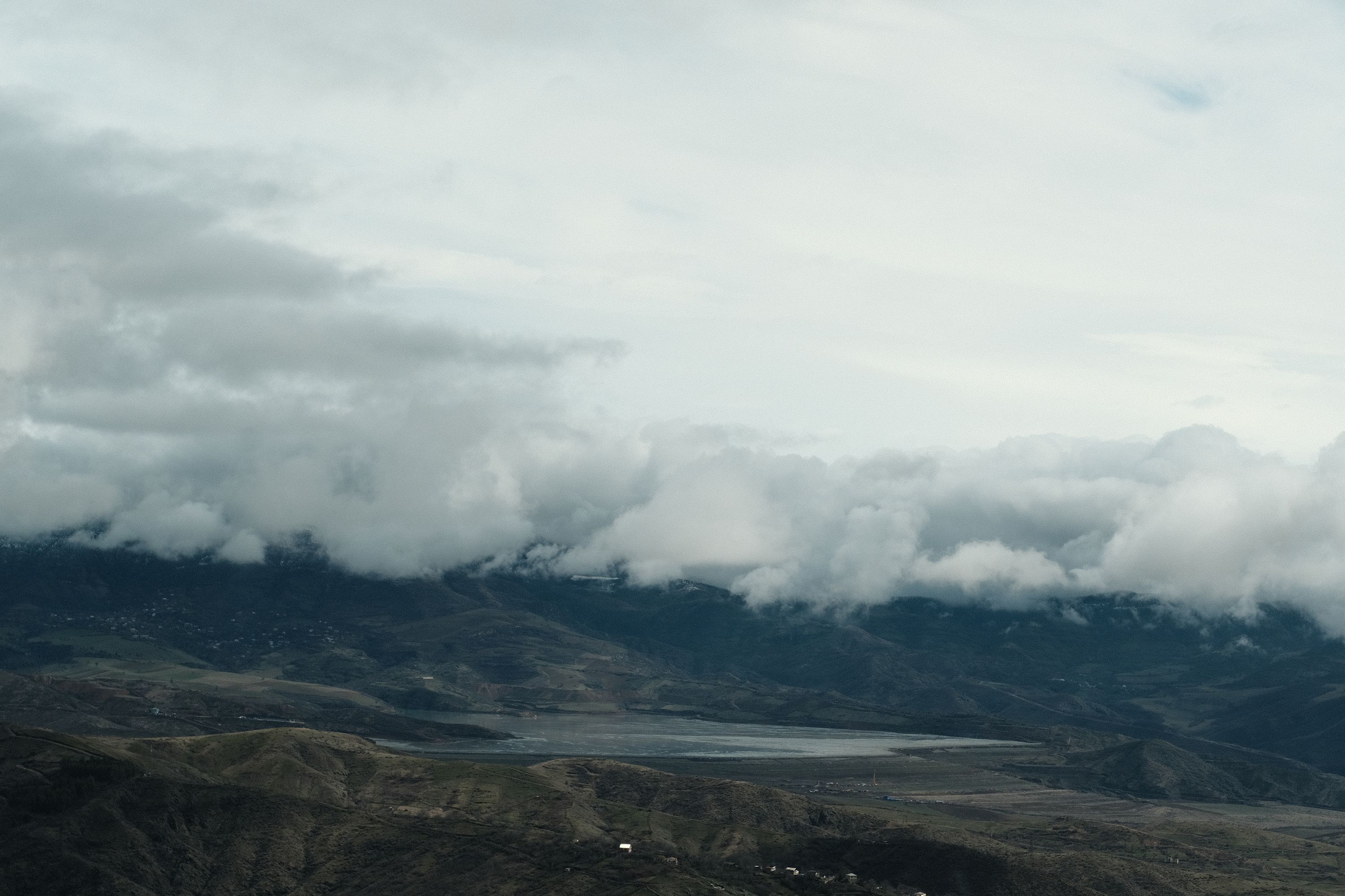
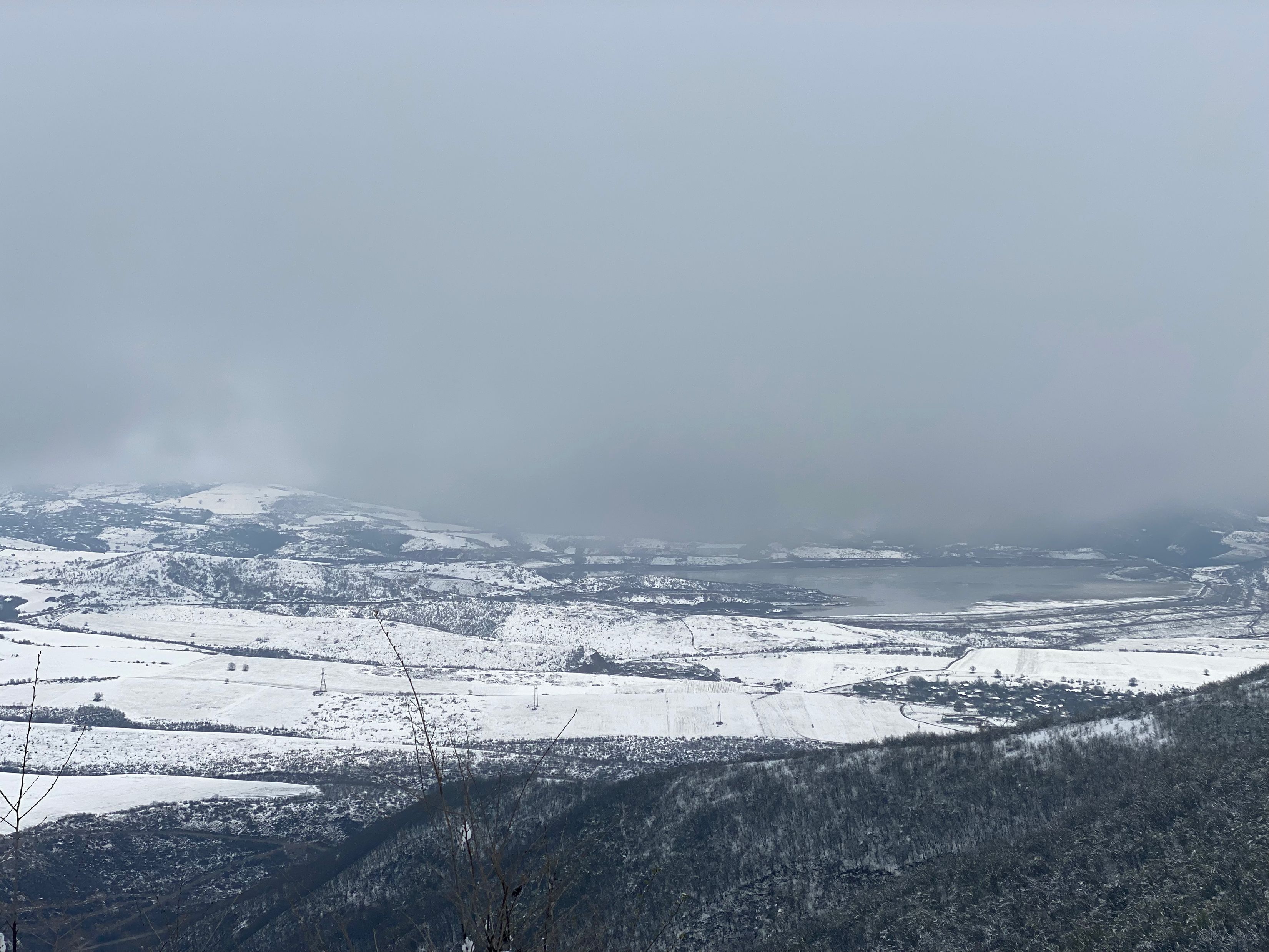
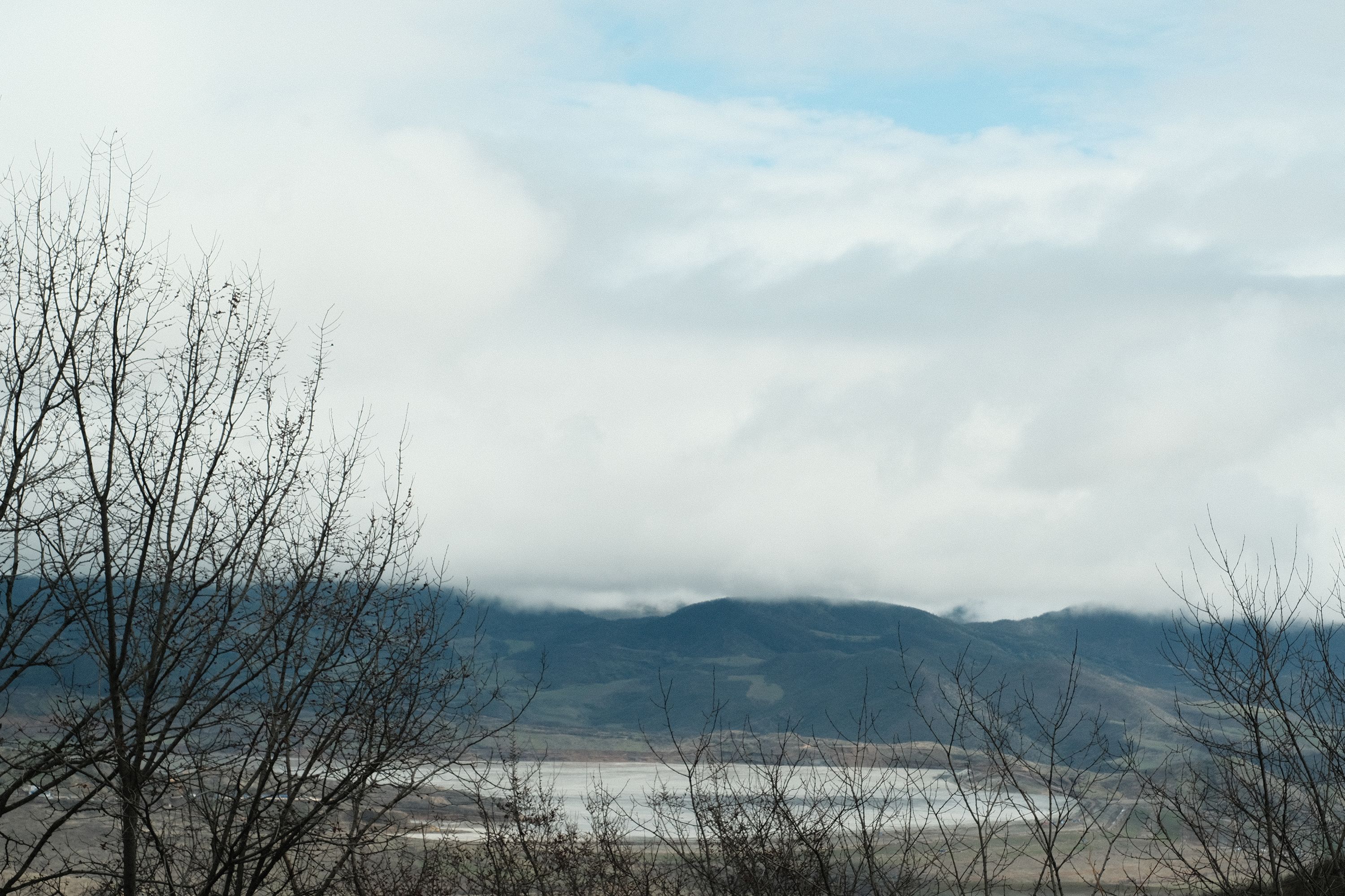
This something is born within my humble attempts to reflect on the amazement I had a few years ago, visiting my parents’ hometown. This something is born from the attempts to keep, cherish and reconstruct that amazement. Back then on the road to Kapan, my mother asked our driver about the lake-like waters we were passing by. Growing up, she did not see it, and she could not remember. The driver said it is not a lake at all. People from Yerevan or some tourists on their way to admire the new lake would discover it’s a toxic tailing, old one, somewhat our ongoing, enlarging Soviet heritage. For a town that grew thanks to the mining industry it is ‘natural’.
First thing I am told upon my arrival is that the interest in the tail (as it is called) has increased recently. Everything is political, I know that part.
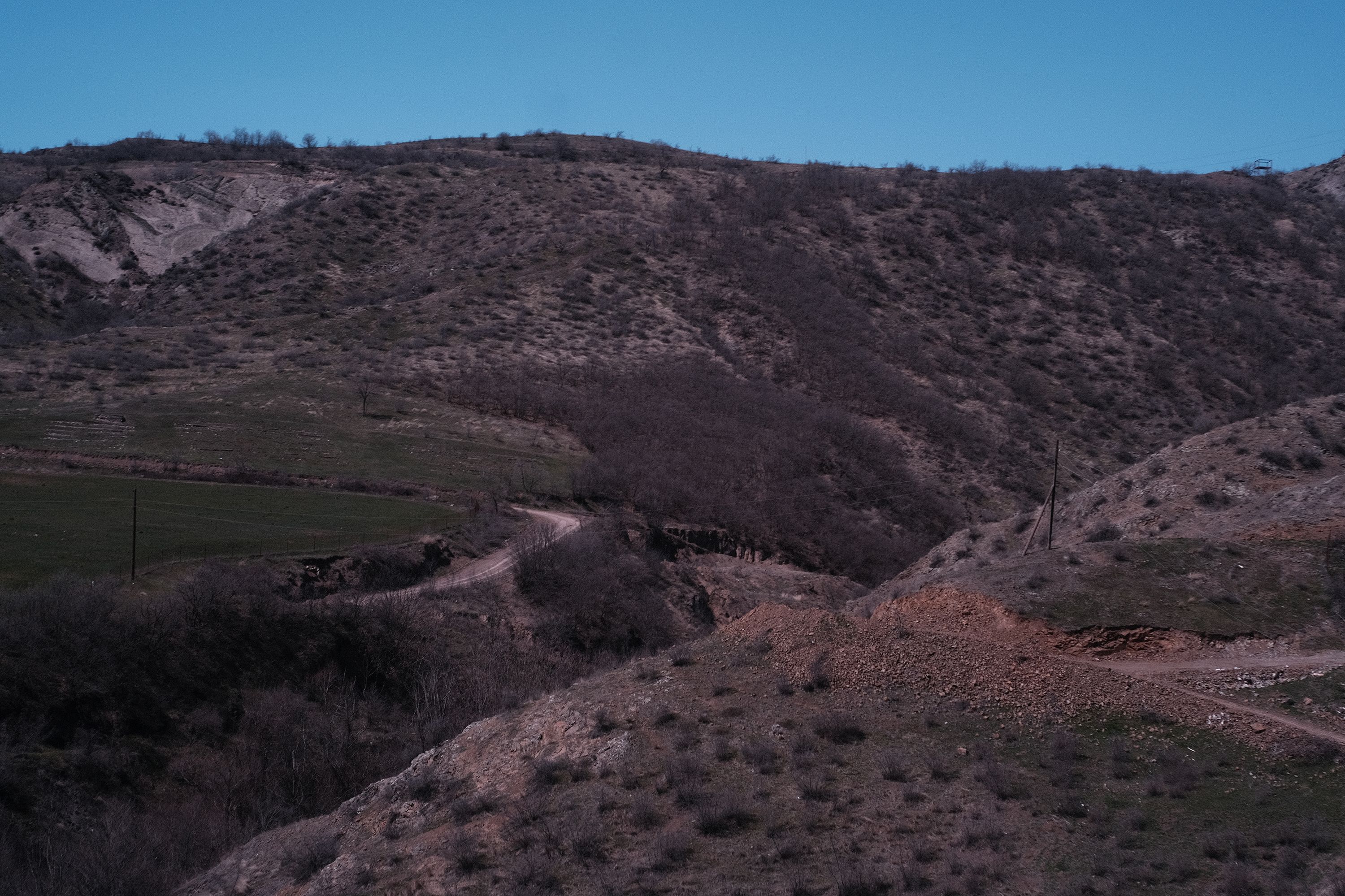
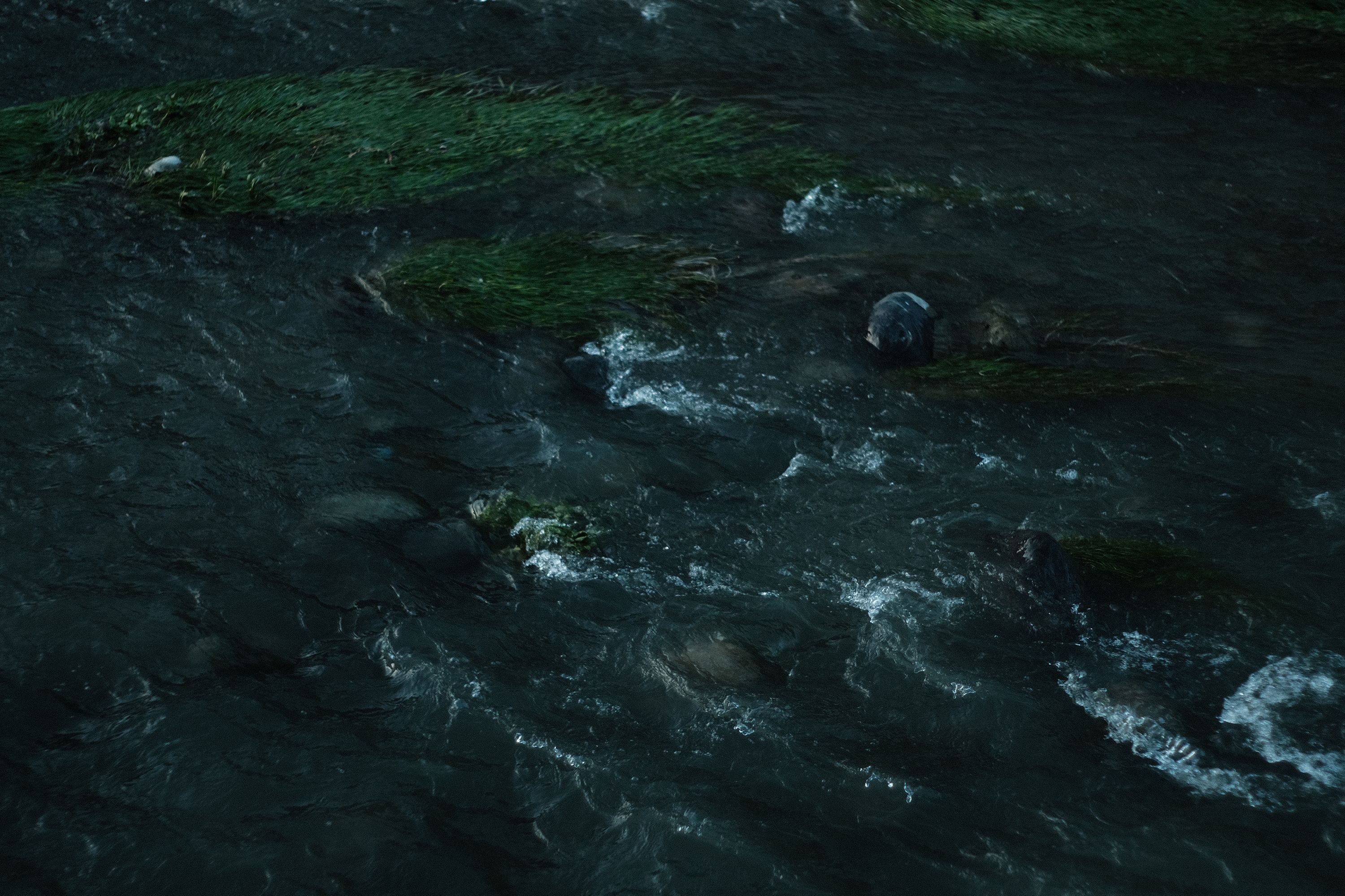
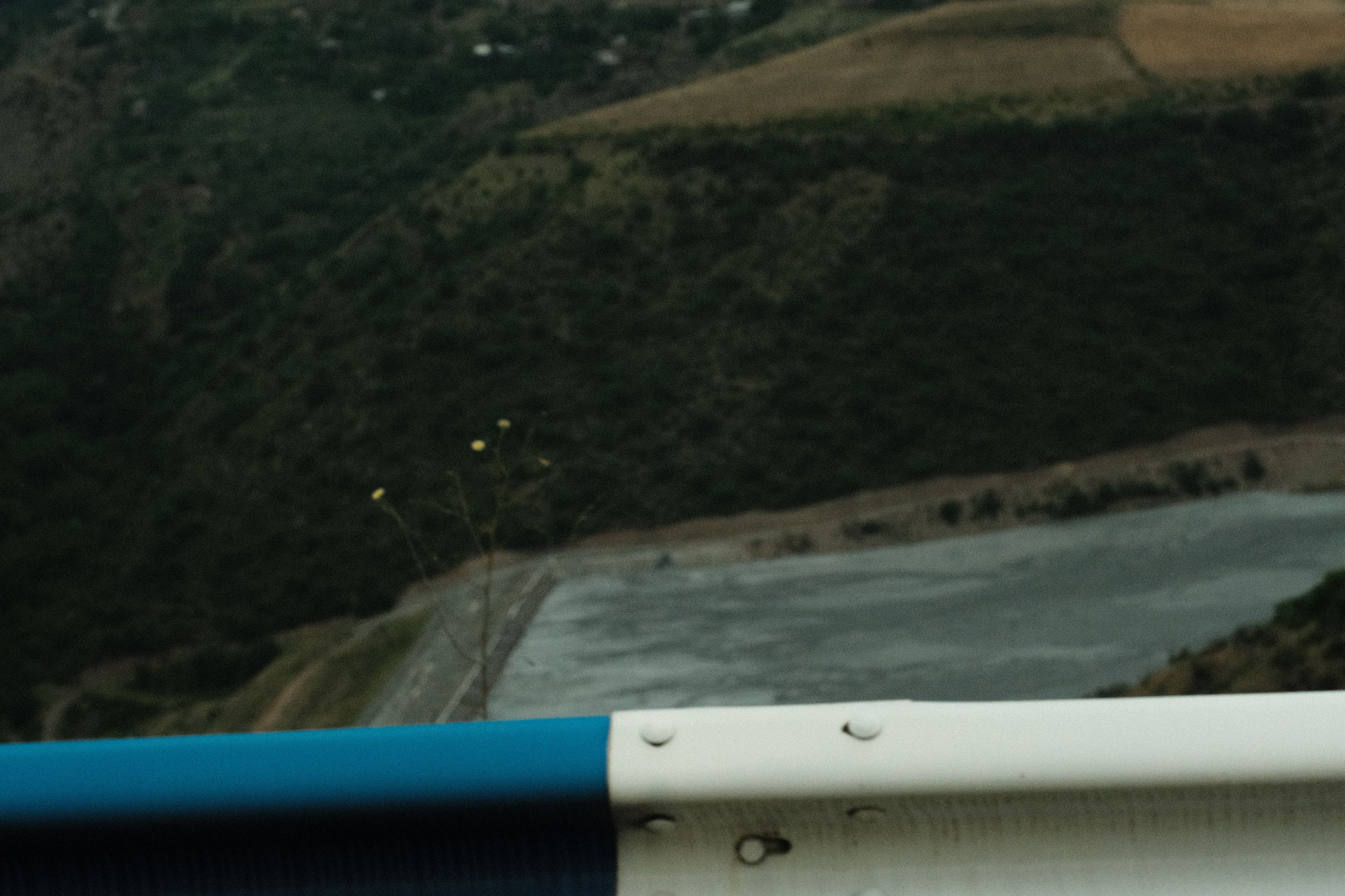
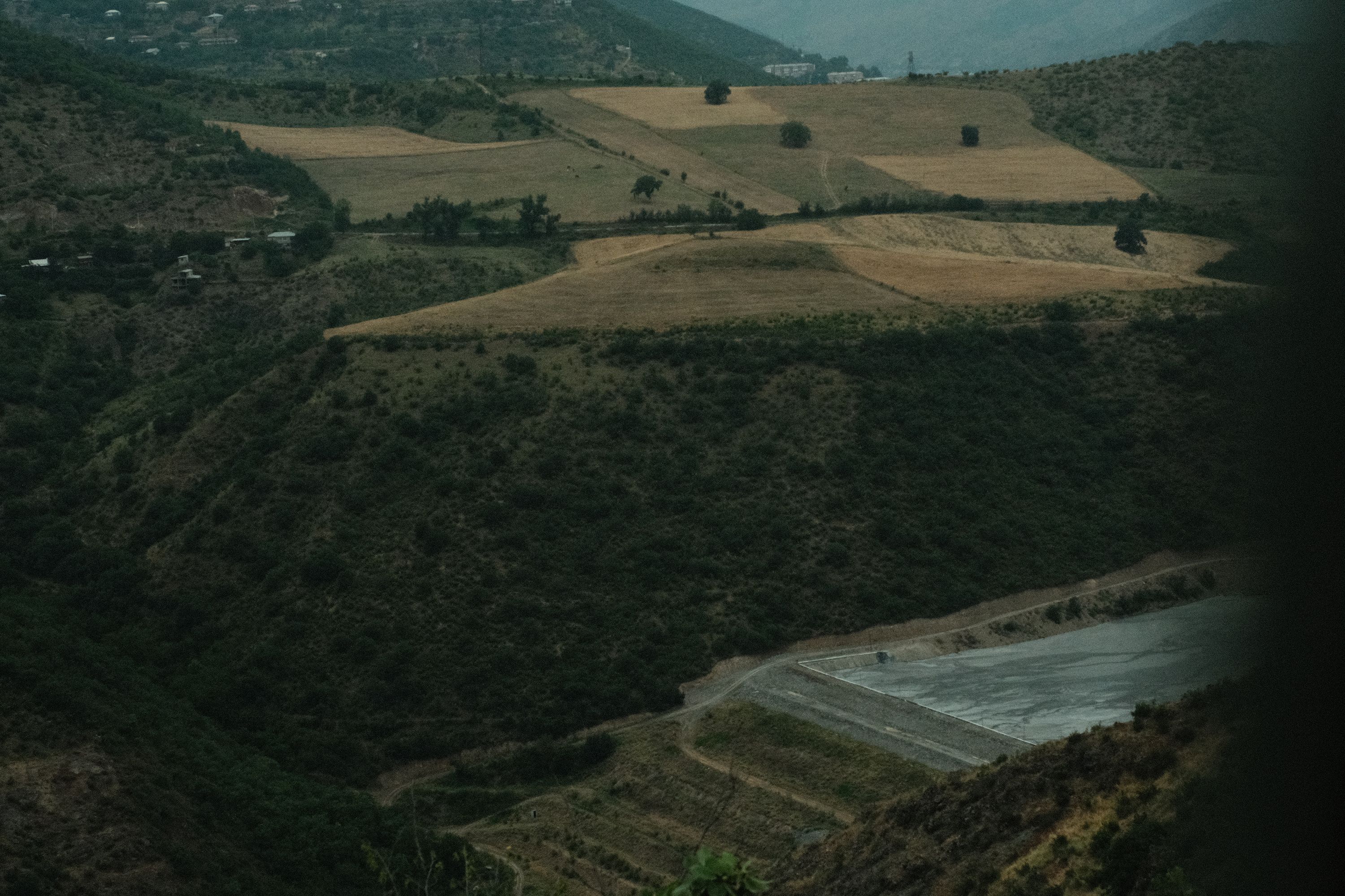
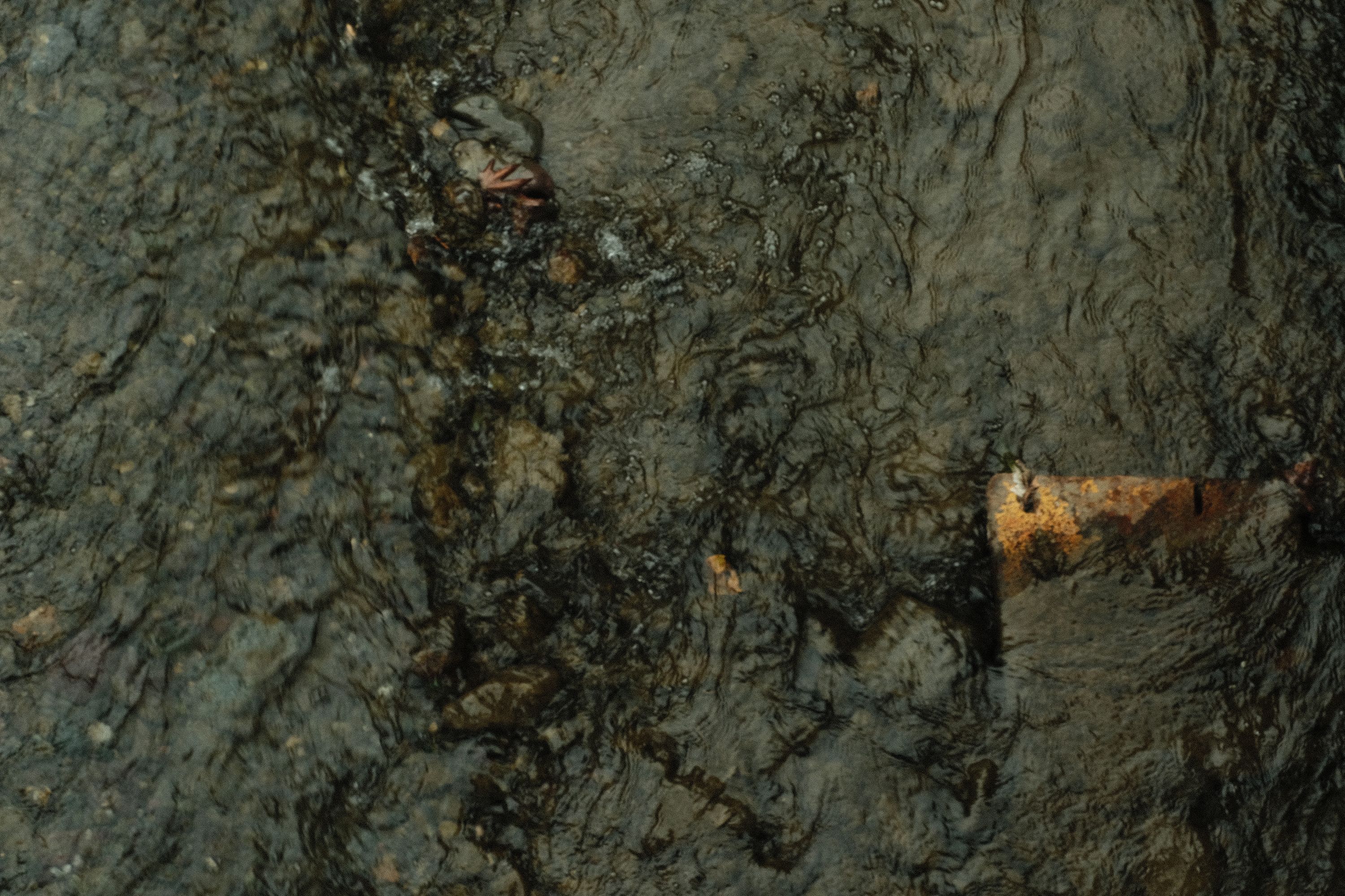
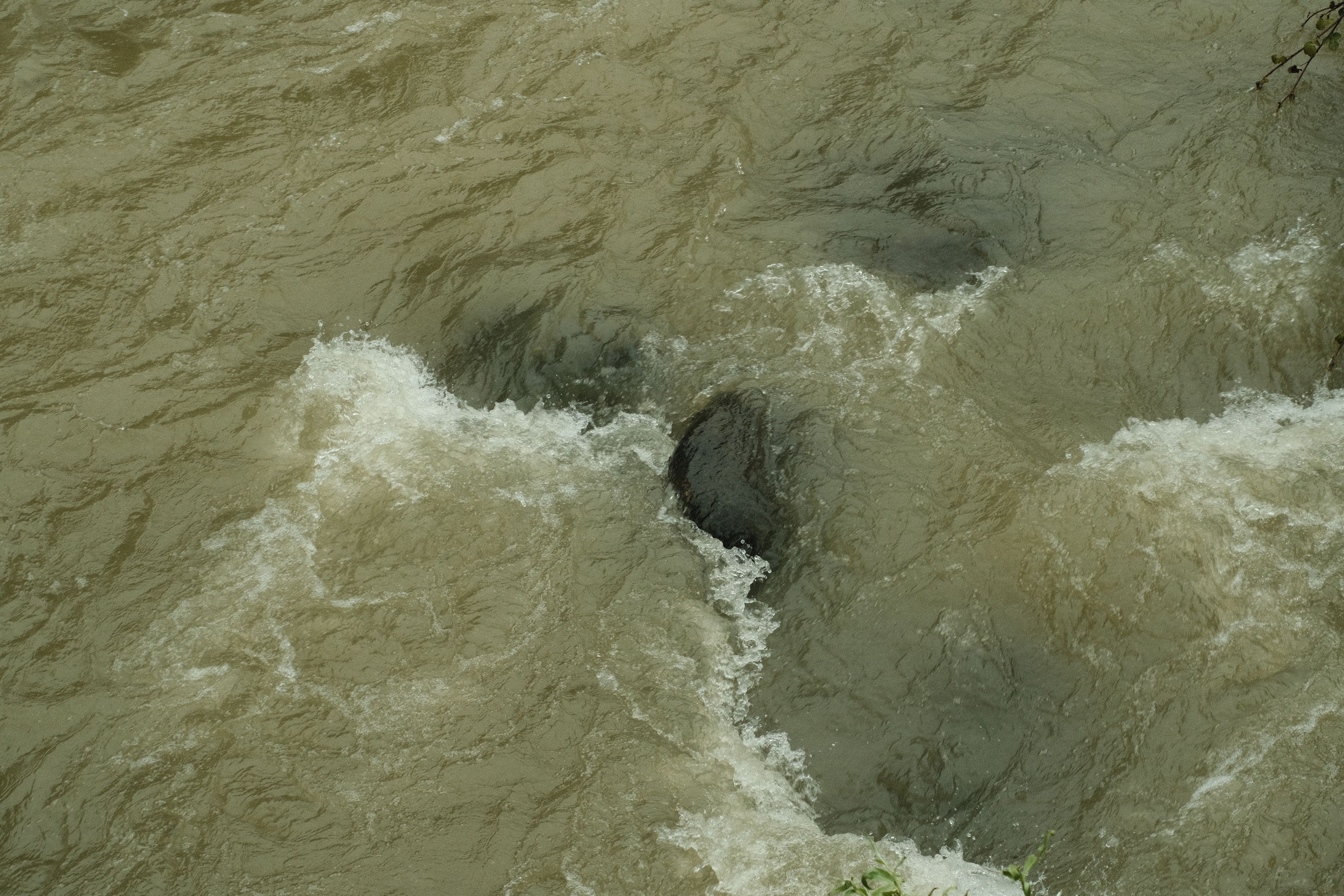
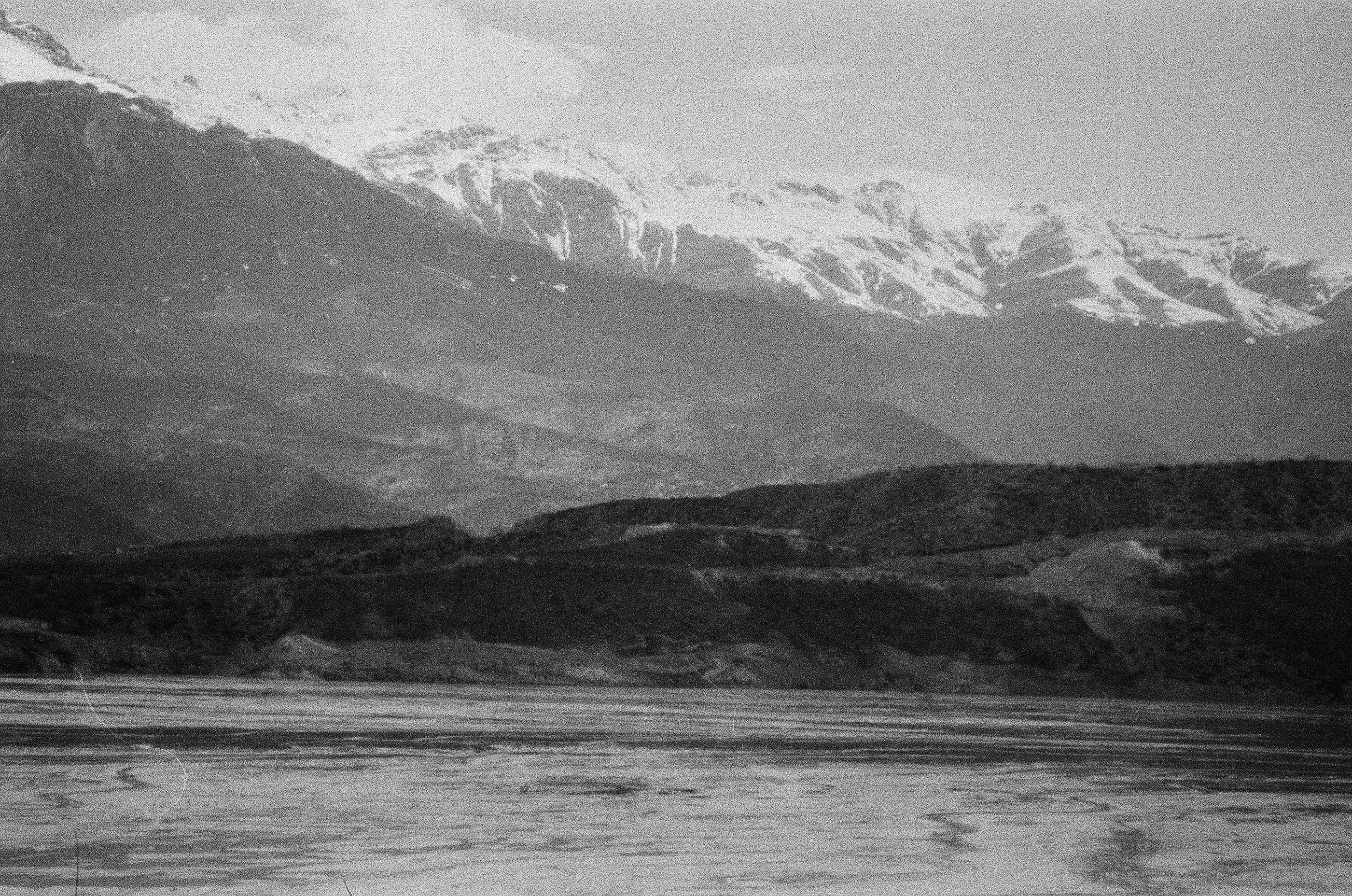
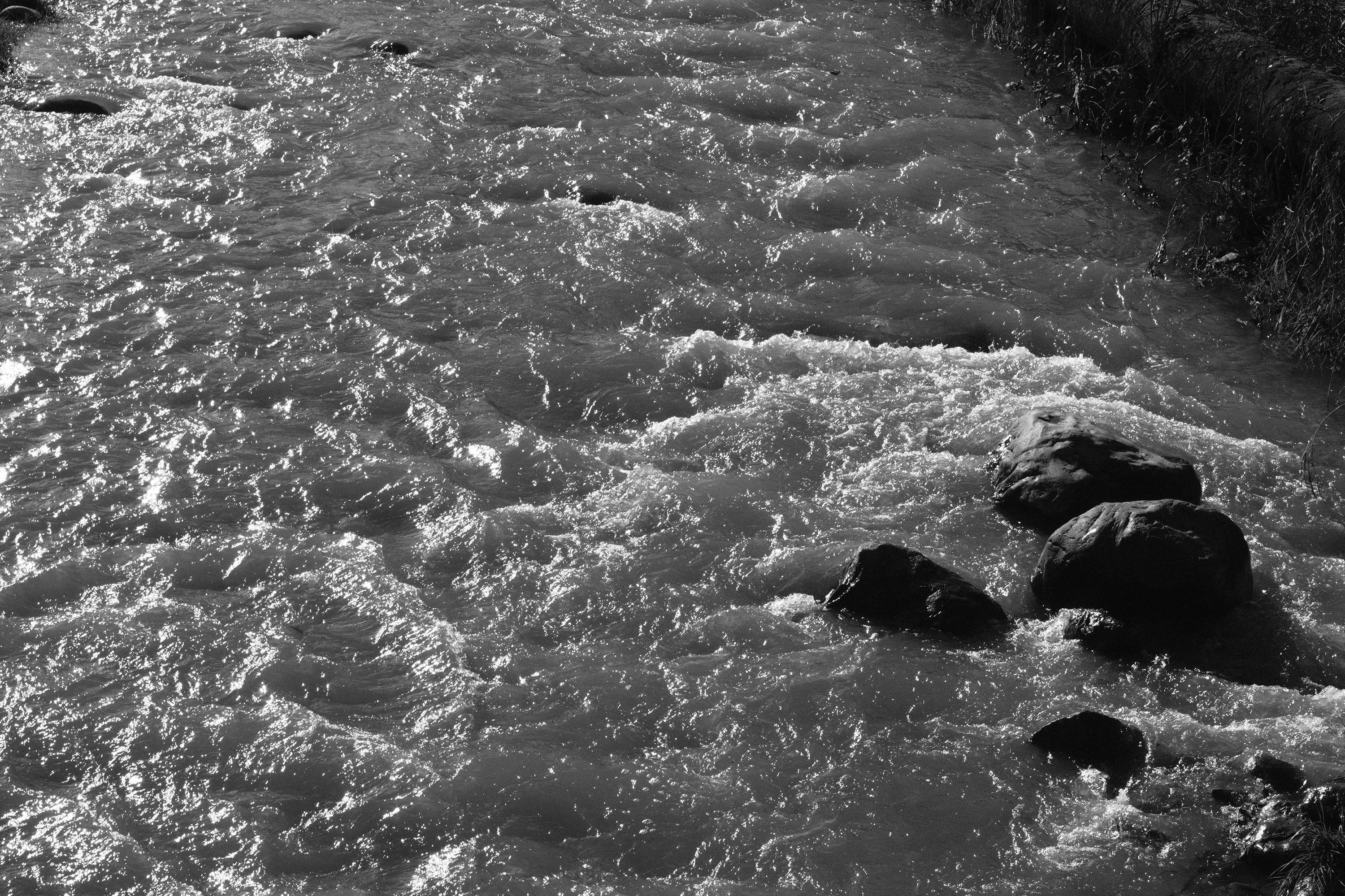
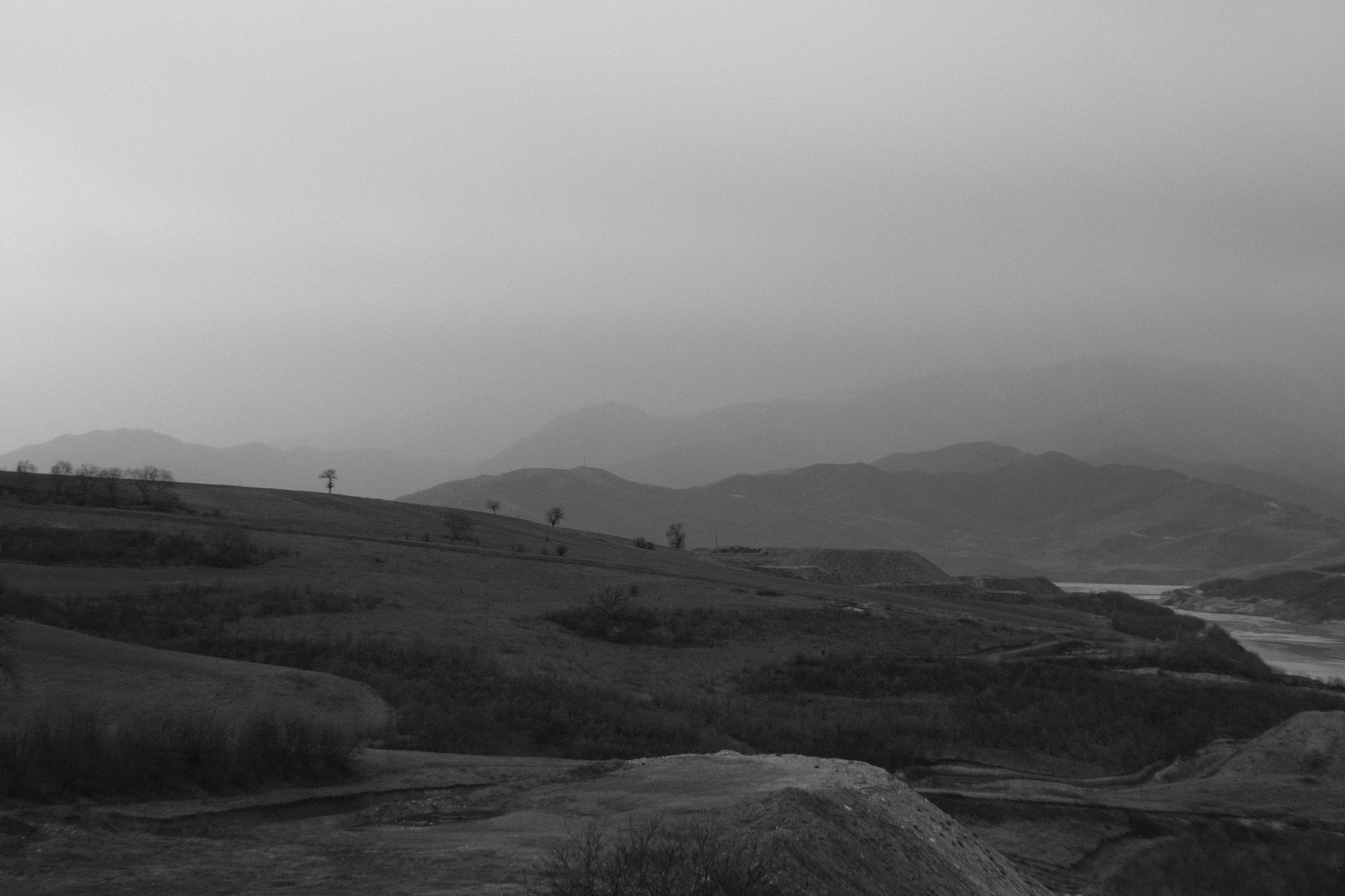
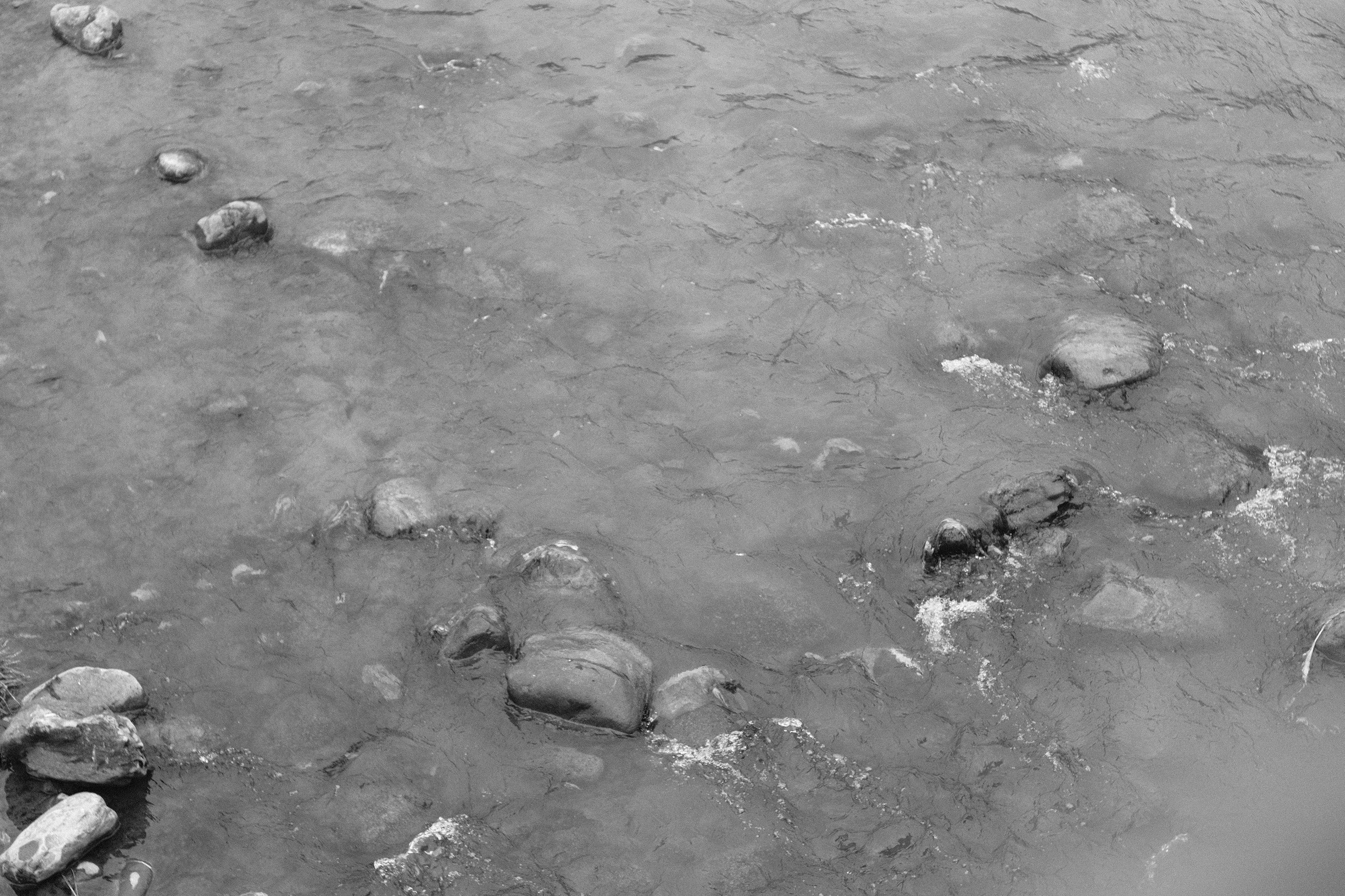
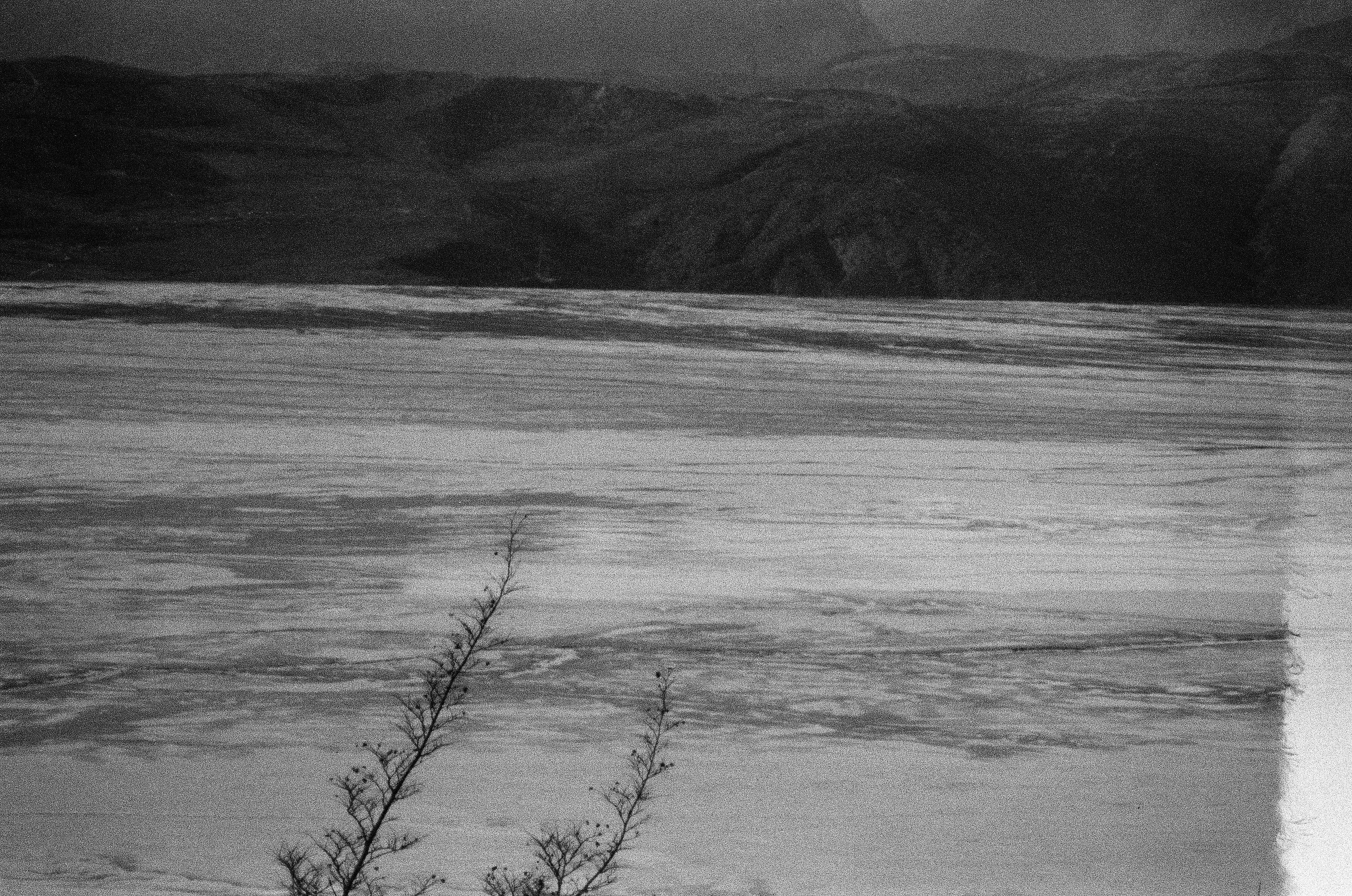
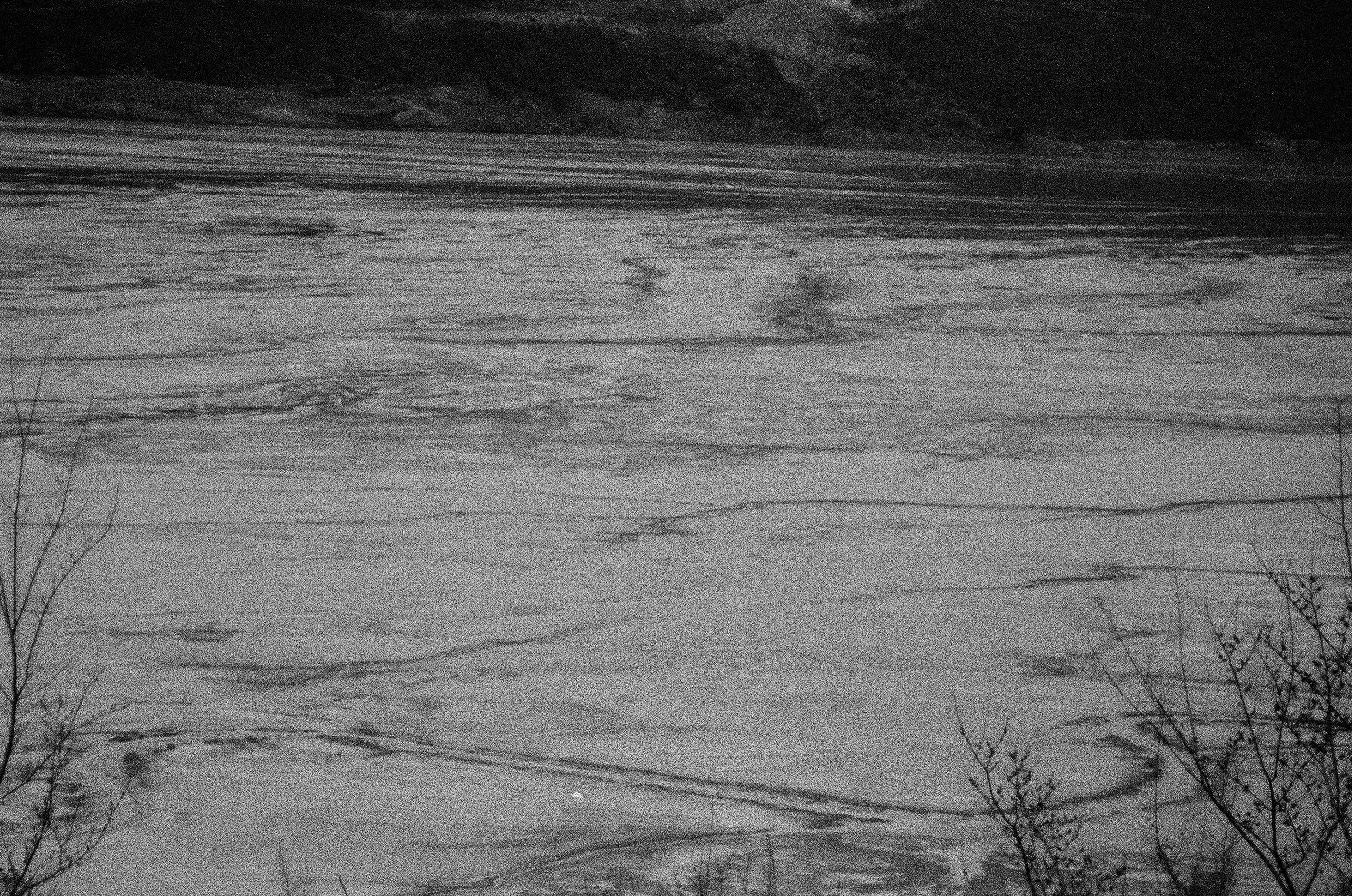
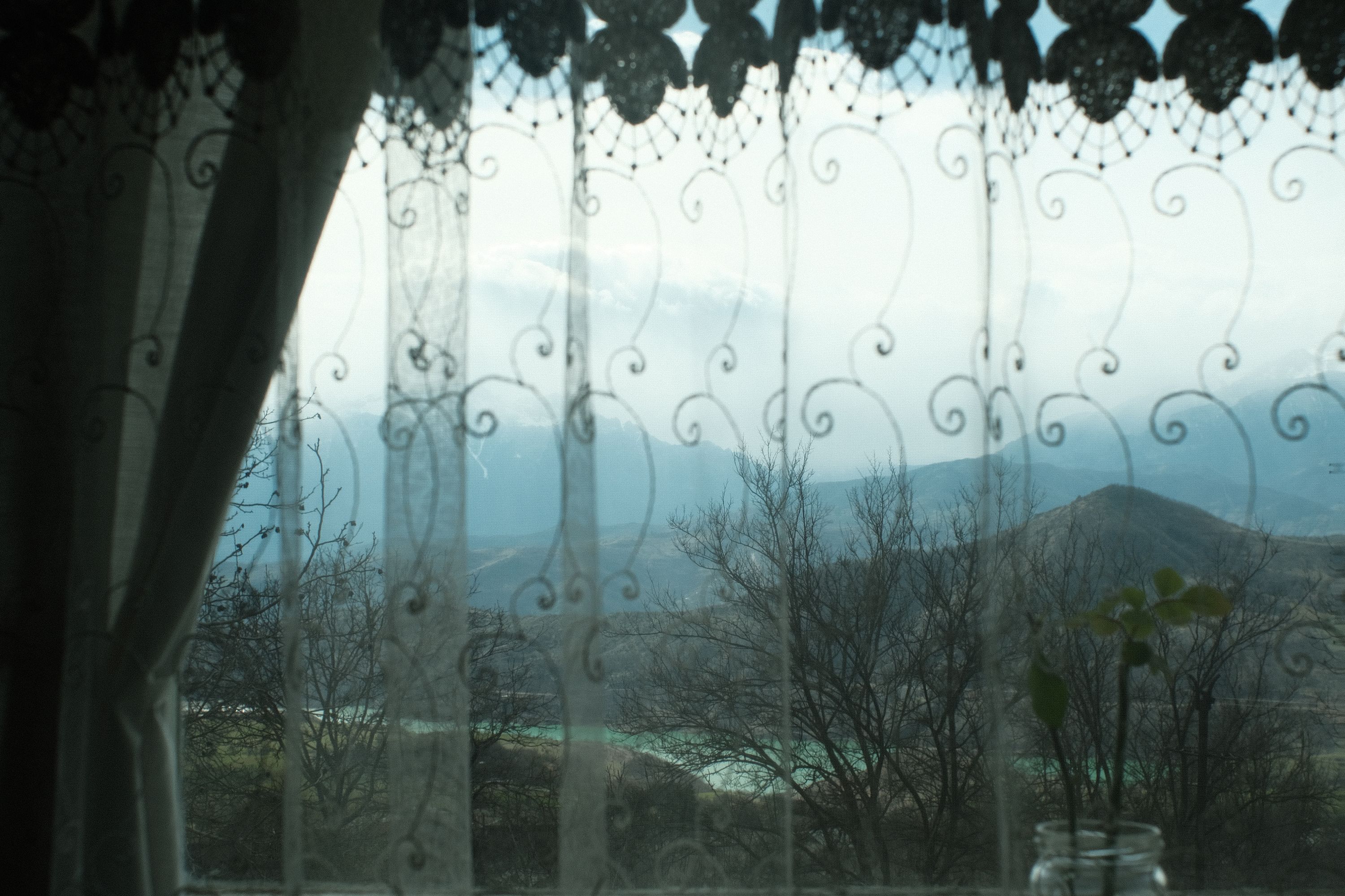
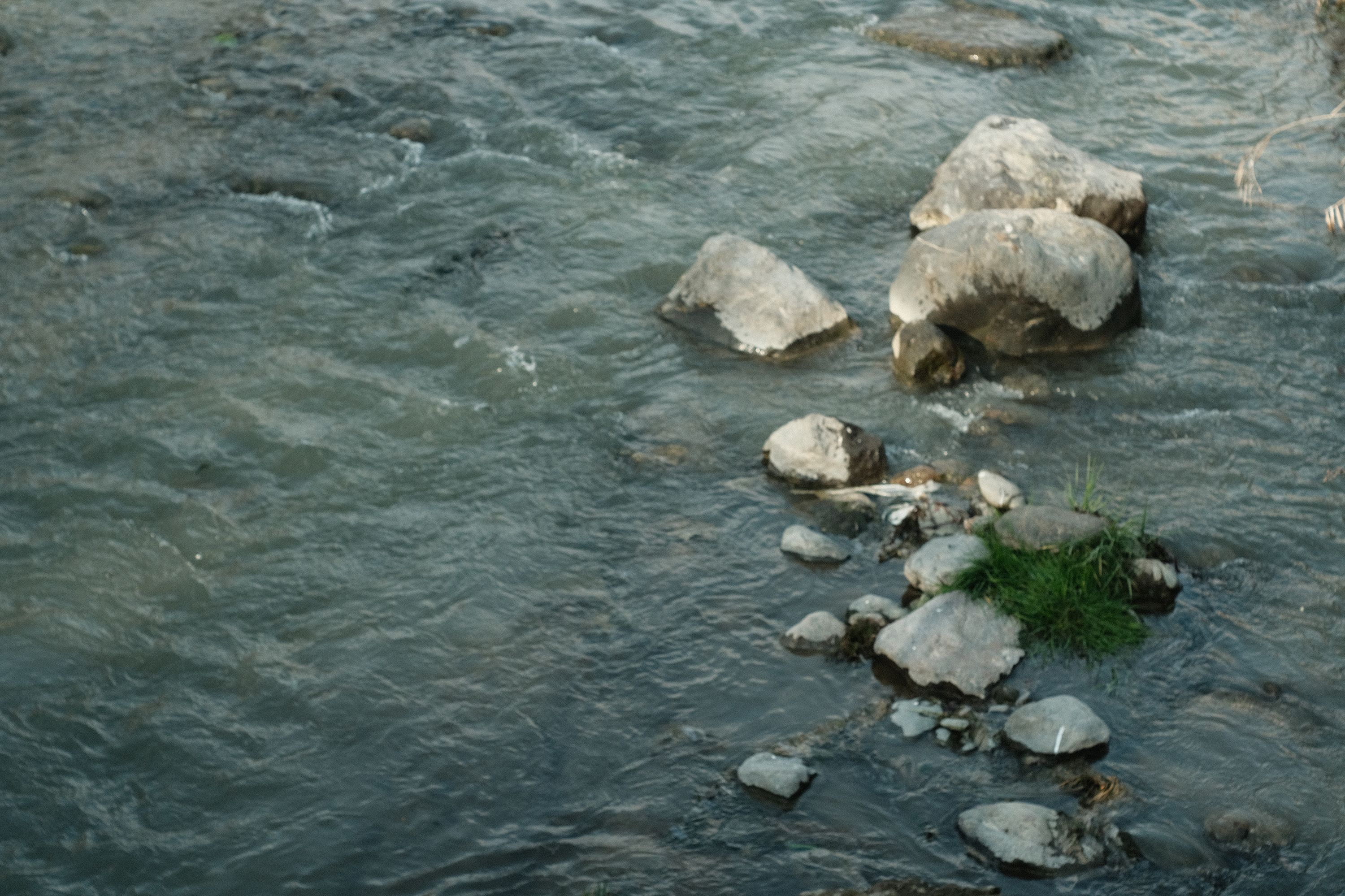
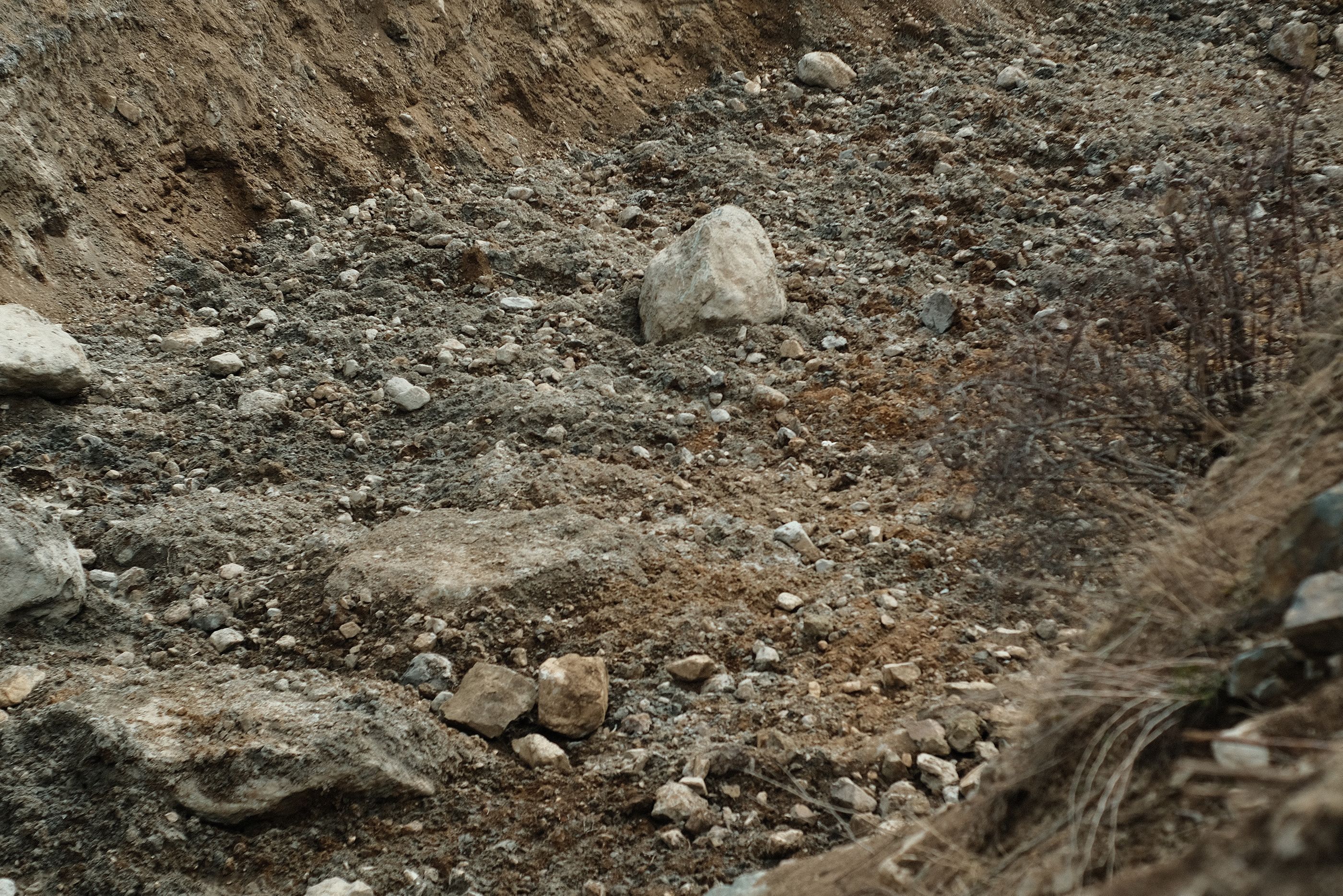
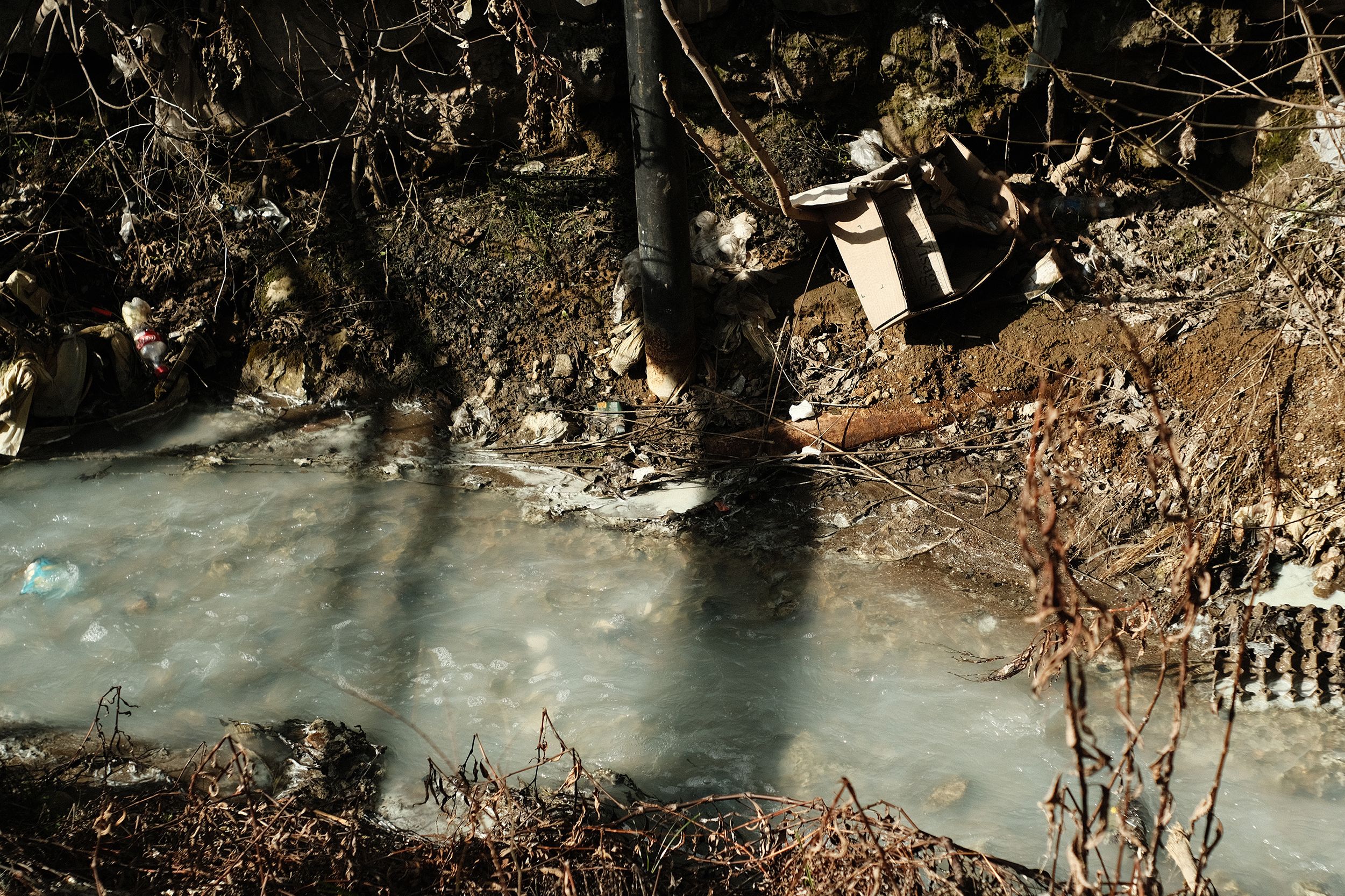
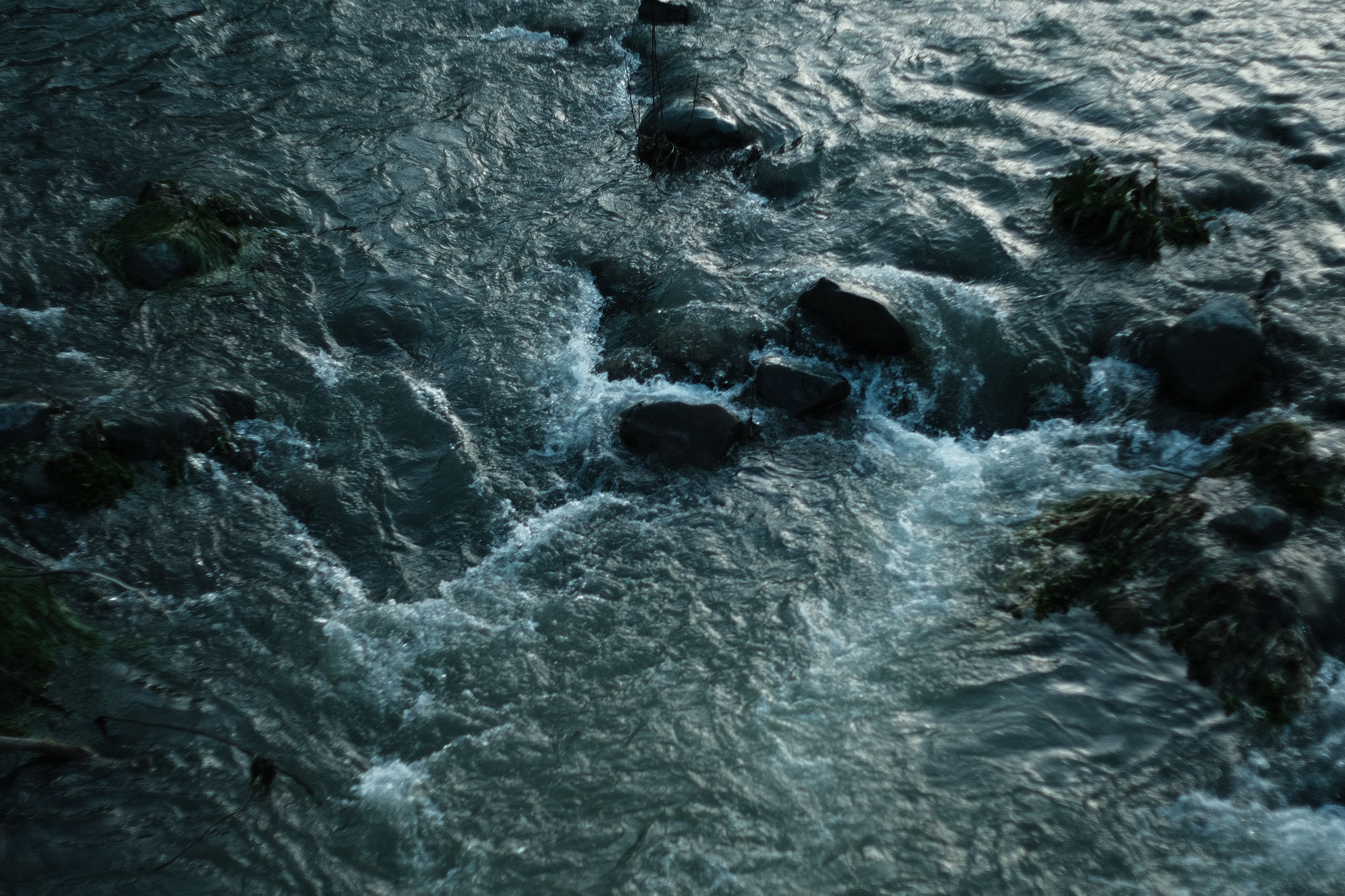
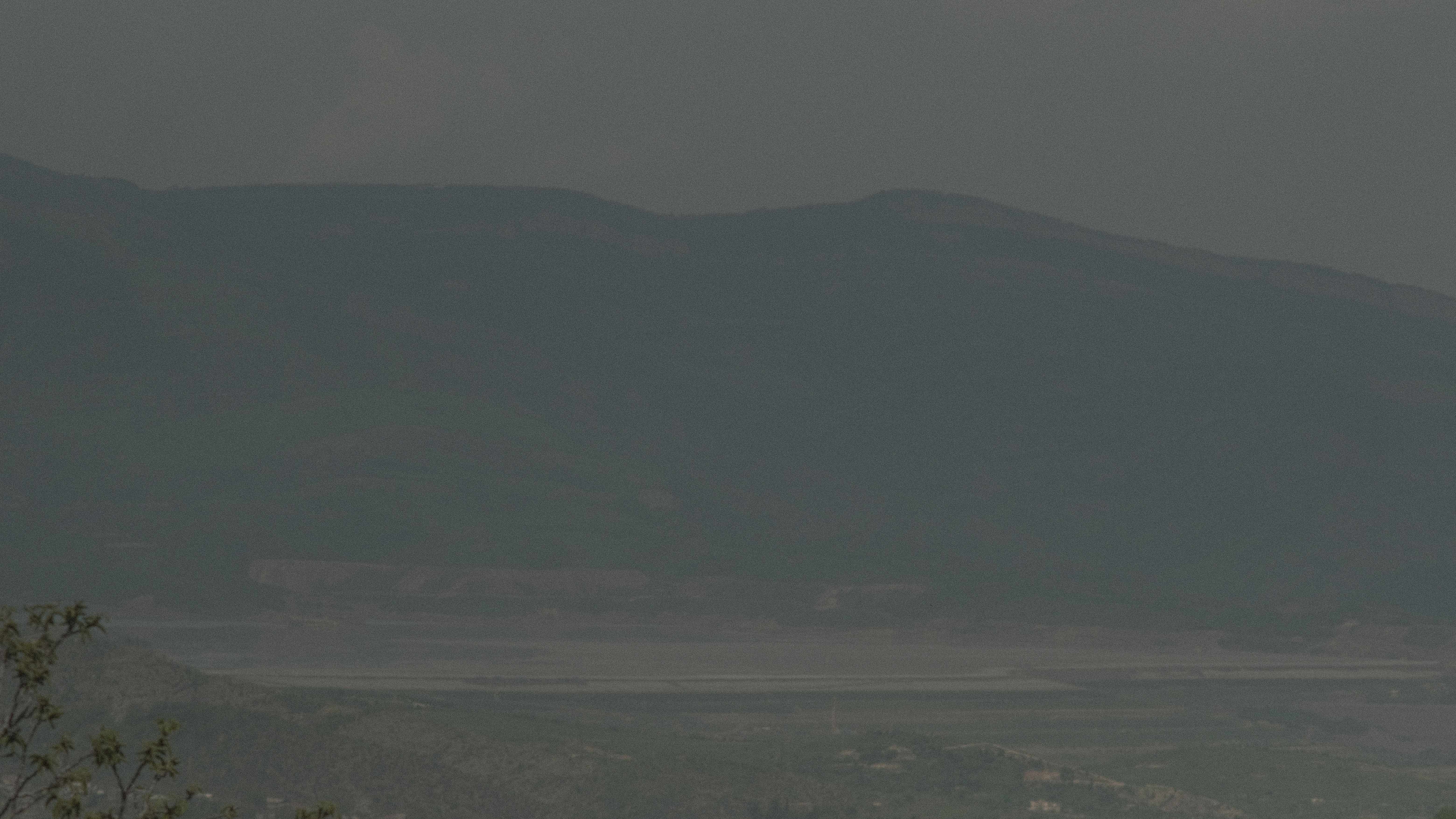
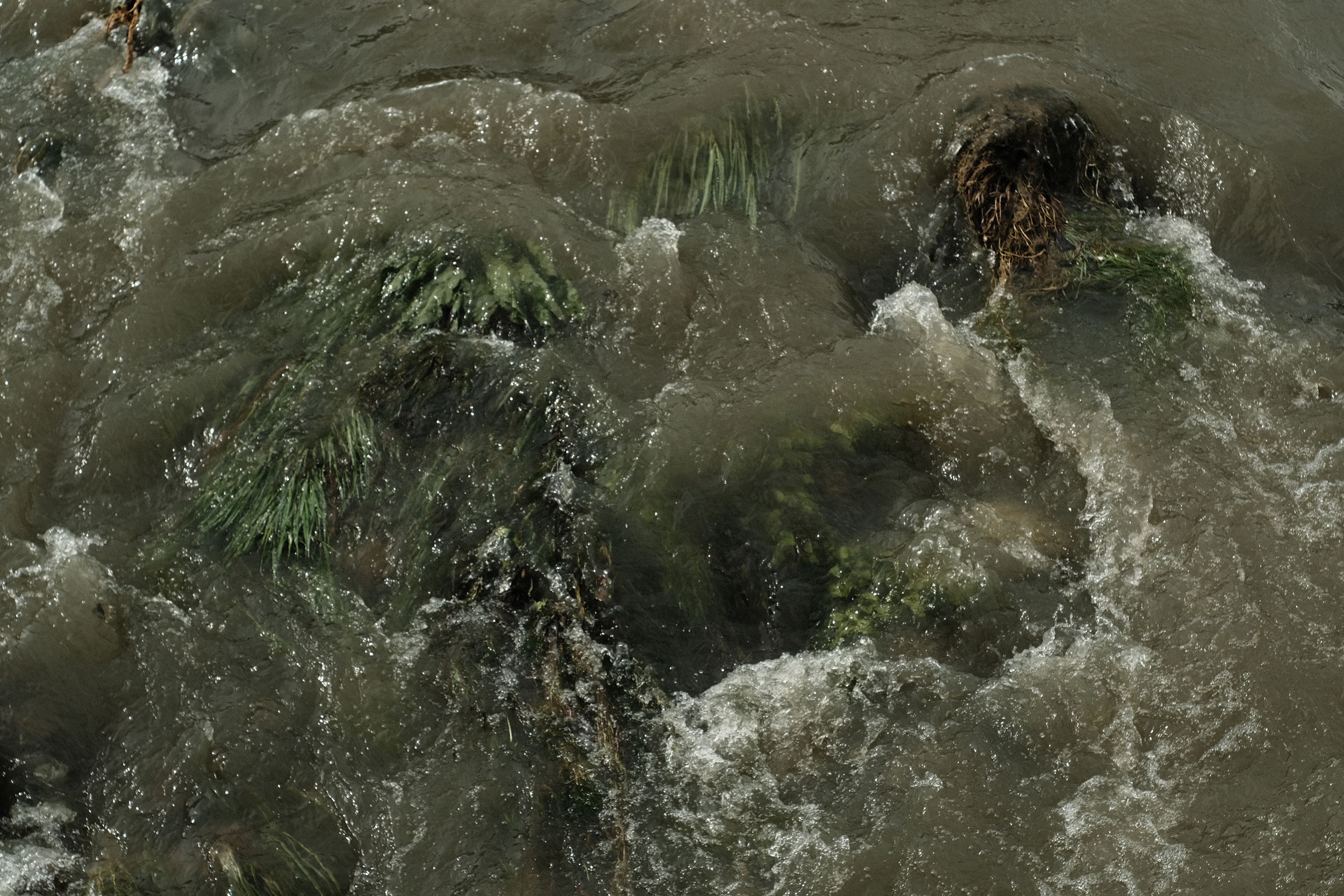
I have tried to go to different spots from where we can see one of the tailings left by two combines and neverending mining. I have talked to people in Kapan and in the surrounding villages, have taken pictures and filmed whenever I saw one of these tailings accidentally. Getting fixated on water metamorphosis in general, I would take a picture of a city river when passing by, occasionally. The fragmented conversations I did not dare and did not need to call interviews are free floating somewhere below.
* Keeping out the names of my interlocutors (who I am very grateful to) is more a means of protection and generalization rather than anything else.
** The text was written in English as a result of my intuitive navigation through the linguistic ocean and then translated into Armenian.
Main Part
(i try to take
myself
out
of this some
thing
anything
i know
this is not possible
learning
to work
from
our position
under
lining
it
this is another
attempt
to do
that
gently
if possible
i want to know
about
the relations
people develop
with surrounding nature
the relations
nature develops
with them us
nature nurture
gently
if possible
i want to know
about the different feelings
feelings
what’s the difference
no
i am not
a spy
smile smile
the dialect
is actually
my native language
wait
why do i have
an accent again)
a man at the researcher’s office
says
an ordinary person
has no different
different feelings
no relations
a fisherman does
his fishing
and tries to sell it
nothing else
no different different
feelings
fishings
and the historian the researcher
says
he saw the tail
from all the spots
all the possible
spots
except maybe
outer space
and he had
some feelings
amazements
before
but no more
and they say
talk to activists
talk to lawyers
they are smart
are there feelings
fillings
and the researcher the historian
says
I ate the fish
from the tail
once
and his friend
says
there are frogs
living there
and you know
the meaning
it means
the water
is clean pure
and we should not
name the tail
waste
as we do
since it’s so useful
it has seventy elements
even rare rare
rhenium
and we will use them
we will use them all
one day
and they say
at first
in the beginning
of it all
an ordinary person
does not understand
and when he she understands
it’s too late
and sitting
at my grandmother’s table
listening to the sounds
of the river
hearing them
and they say
day by day
the sounds
will get
louder
the river
will flow
faster
and here
it is
the wide part
yet
and they say
when we were kids
the water was white
milky rivers smile smile
or grey
yellow
the color of molybdenum
it was turbid
we were used to it
that was
our image
of the river
we saw no other
and it is
not
to compare
after this
all the rivers
we saw
were valley rivers
it is not
to compare
and it was white
again
a few years ago
and the combine
cleaned it
and and
years ago
you could see the shiny lake
from the road
you can
not anymore
we do not
have the road
anymore
but we have new
different roads
mix and match
you could see
shiny shiny surface
from our cemetery
we saw it last April
a bit frozen
and this
melted March
too
and
(i am
not alone)
a teenager girl
who grew up here
says
she went to our
cemetery
a few years ago
two or three
and she thought
it is a lake
and her uncle said
it is not
he said
it is
dangerous
smelly
and should be
avoided
and the uncle
works for the tail
she tells me
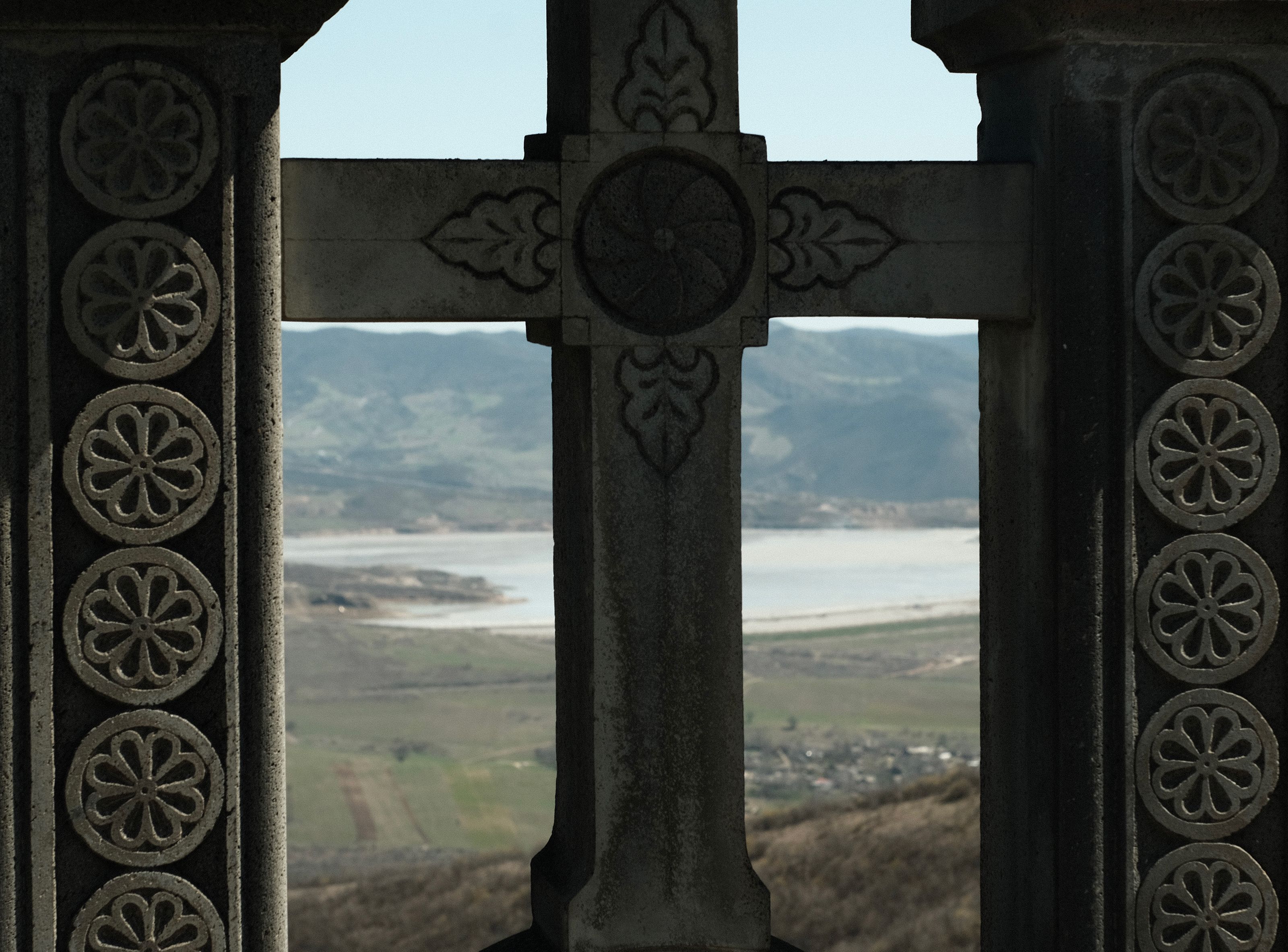
it looks beautiful from there
other women say
it looks beautiful
from the monastery
uphill
like a lake
and don’t you know
in past we called
our lakes
seas
and our nature
ate these lakes
she did
but we still say
and see
sea
seas
all the time
another girl
says
she saw it
when she was six
is this a lake
the parents
said
you would
dissolve inside
and then
later
she would
do this chemical experiment
with starch
Newtonian fluid
and she thought
they are alike
so can we compare
and once
the girls
saw a little tail
while on a trip
to this fortress
the last capital
of Syunik kingdom
that was captured
some eight hundred
and fifty years ago
anyways they went
and they started
throwing stones
to see
what happens
would they dissolve
and the stones
made a sharp sound
like ‘dmp’!
yes dmp
is it sharp or muted
and the stone
was stuck there
it ether
stayed
on the surface
or jumped in
they thought
they would explode
the stones right
the stones
but we can
not find that part
now
they have put sand
on it
in Artsvanik they say
they have a problem
with water
there is
a source
just far away
just one
it’s ok now
but
summers are bad
and they say
working in Chernobyl
we survived
we said
because we are
from Kapan
we are used to this
we got stronger
you can not
smell it now
but we used to
smell lime
and it was bad
but it is worse
in Chapni
since the wind blows
that way
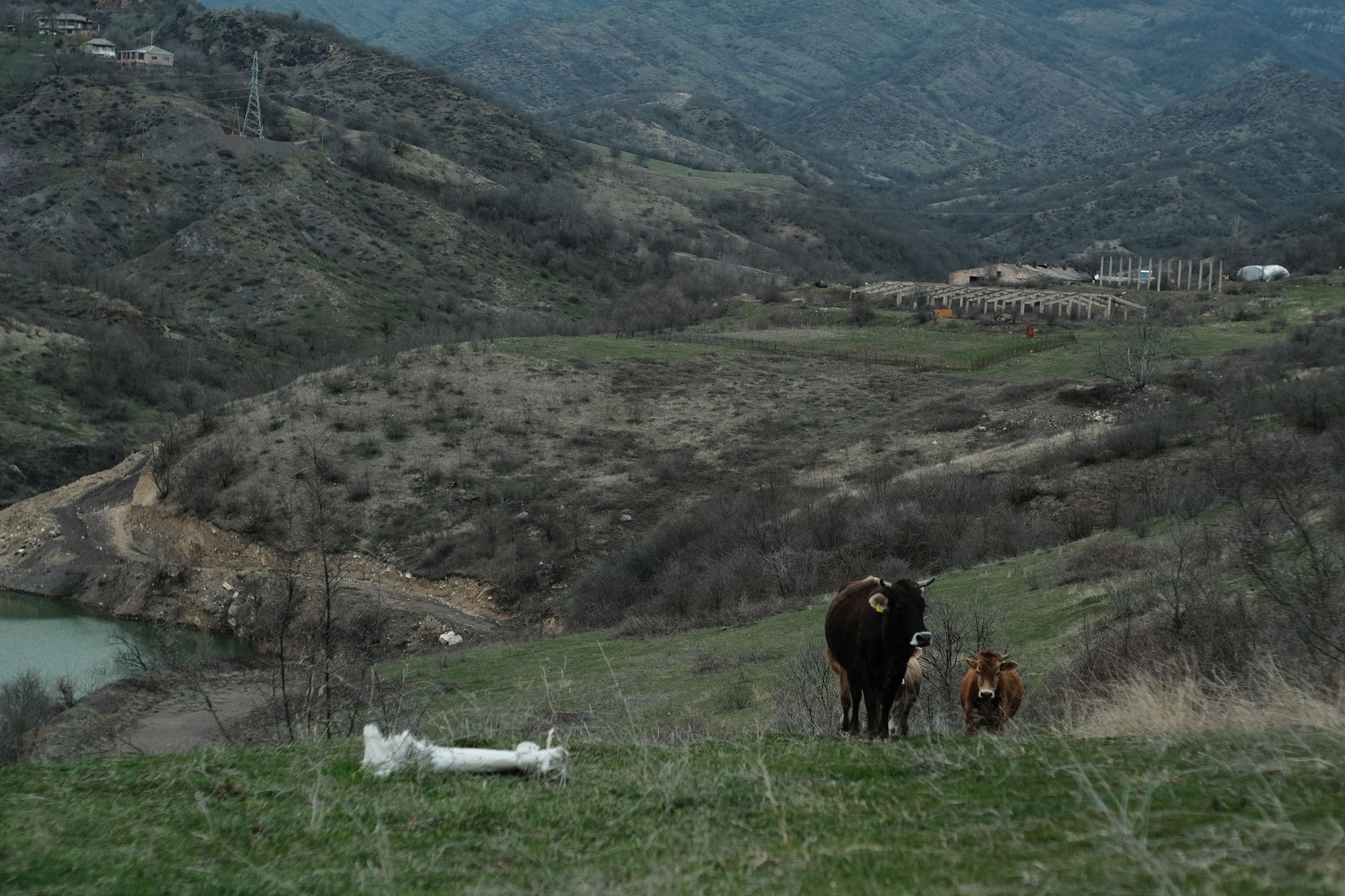
the cows go there
of course they do
but it is fine
we have cows
it happens everywhere it does
mutations happen everywhere
anywhere
they do
we can’t really talk about it
we don’t really know
it is not
researched enough
they say
in the village you need
at least one cow
but we do not
have any
we got rid
of ours
you have to follow it everywhere
because it goes and
eats the fields out
and we have small patches
and is this cow
a benefit or
a burden
and the small
and the big
patches are under the tail
and the tail comes closer
and closer
but we are used to it
we do not notice
how it happens
day by day
there is this spring
on our patch
but as a joke
the tail is there
so we don’t grow
anything
but we go to collect the nuts
and our husbands work there
they ride the boats
in the tails
and they come in the boats
to check things
and we call them
and they say
do not call
go to the balcony you will see
us
and every day
we pray
for them
(do i feel bad for asking or
joking
if she waves
at the husband
as if it so cinematic)
and they come and feed these three
stray cats
that came and stayed
with us
and ten years ago
or even three
the tail was far away
you could not
see it from this point
but today
mainly
we do not
have water
but we have a small patch
near our house
because it’s embarrassing
to live in the village
and not grow anything
and
one boy has drunk water
from some spring
and died
it’s our Sevan
smile smile
(have you heard this story
about Iranian tourists
who were taken there
and told it’s lake Sevan)
in eighties
and nineties
we went there with kids
we brought chervil
and hazelnuts
there was a river
but we do not remember the name
we try try
but we do not
no we do not have photographs
even
when our sons went to army
they didn’t have a phone
there was a girl
who had a camera
she came in summers
when her grandparents
were alive
as other kids
who used to come
and there was one watermill
it was broken
but it’s left under the tail
and the researchers the historians say
it’s actually three villages
that are left under
and under
the second tail
first and second and third and and
there are twelve mills
and an aqueduct
and when our kids
were kids
they brought fish
they got in the tail
home
and we put them
in the pool
and it could not
survive
in clean water
it died
and the water
got yellow
we changed
the whole water
and the ducks come
and land there
and stay and live
what does a duck know
but when you bring it
home
it stinks
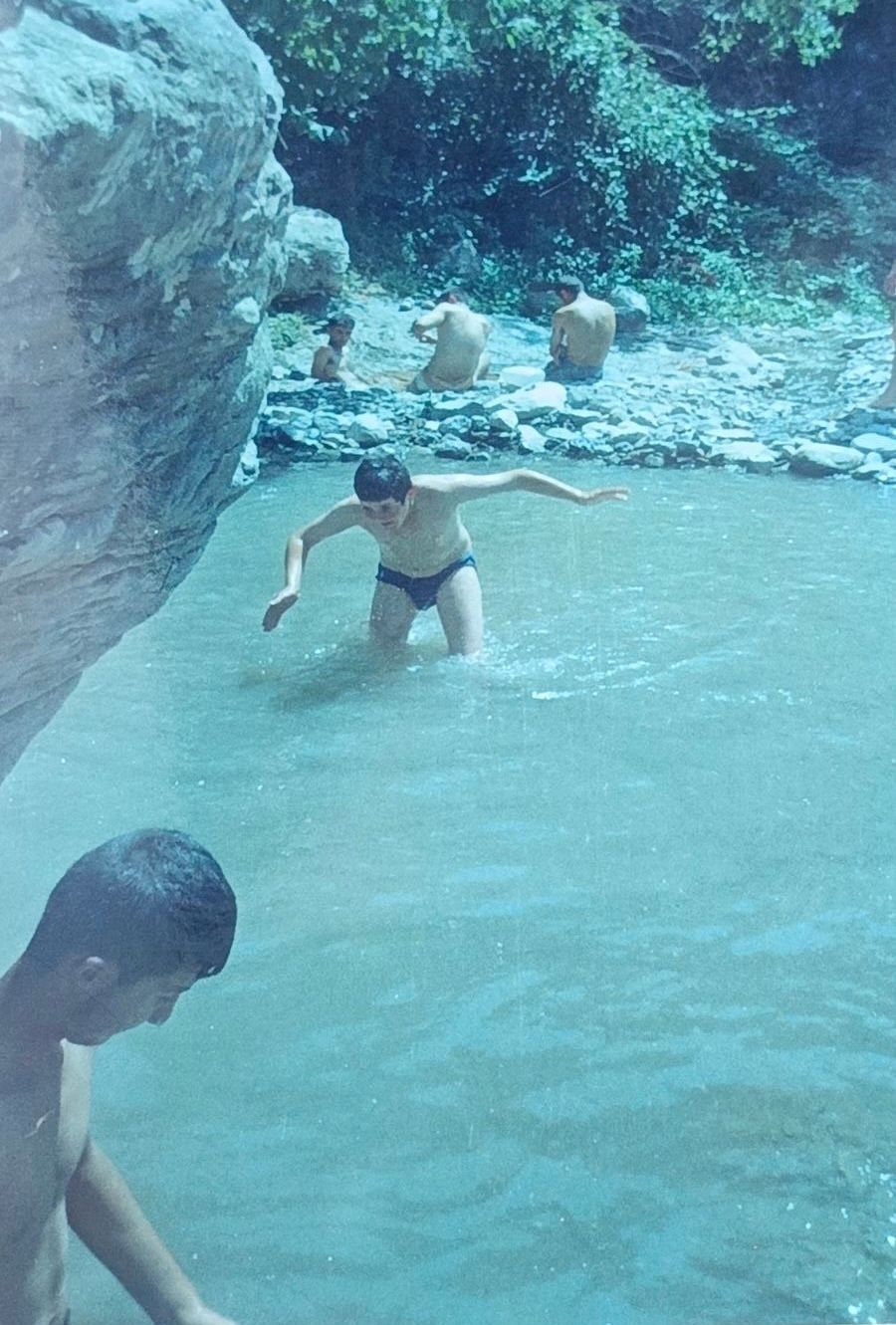
In Chapni
the men tell
our childhood is left
under the tail
we had
sour water
sparkling spring
and we made a hole
and we swimmed there
all summer we were there
all people came
from other places
for this water
and even others
culturally others
came
and put their tents
and everybody came
for it
we had wonderful summers
now we have only
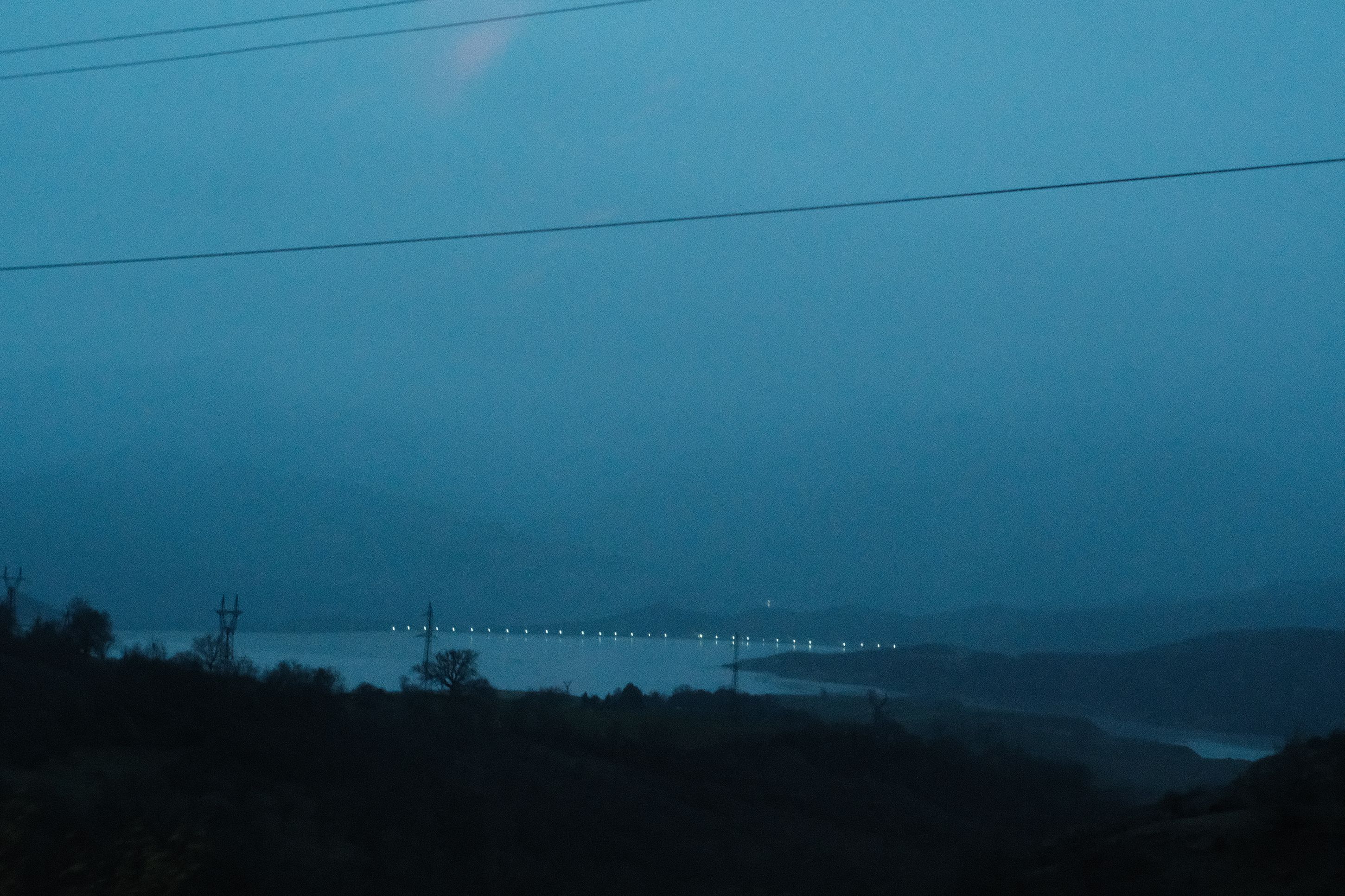
these lights
the city provides
and they are also rebuilding this
and that
and
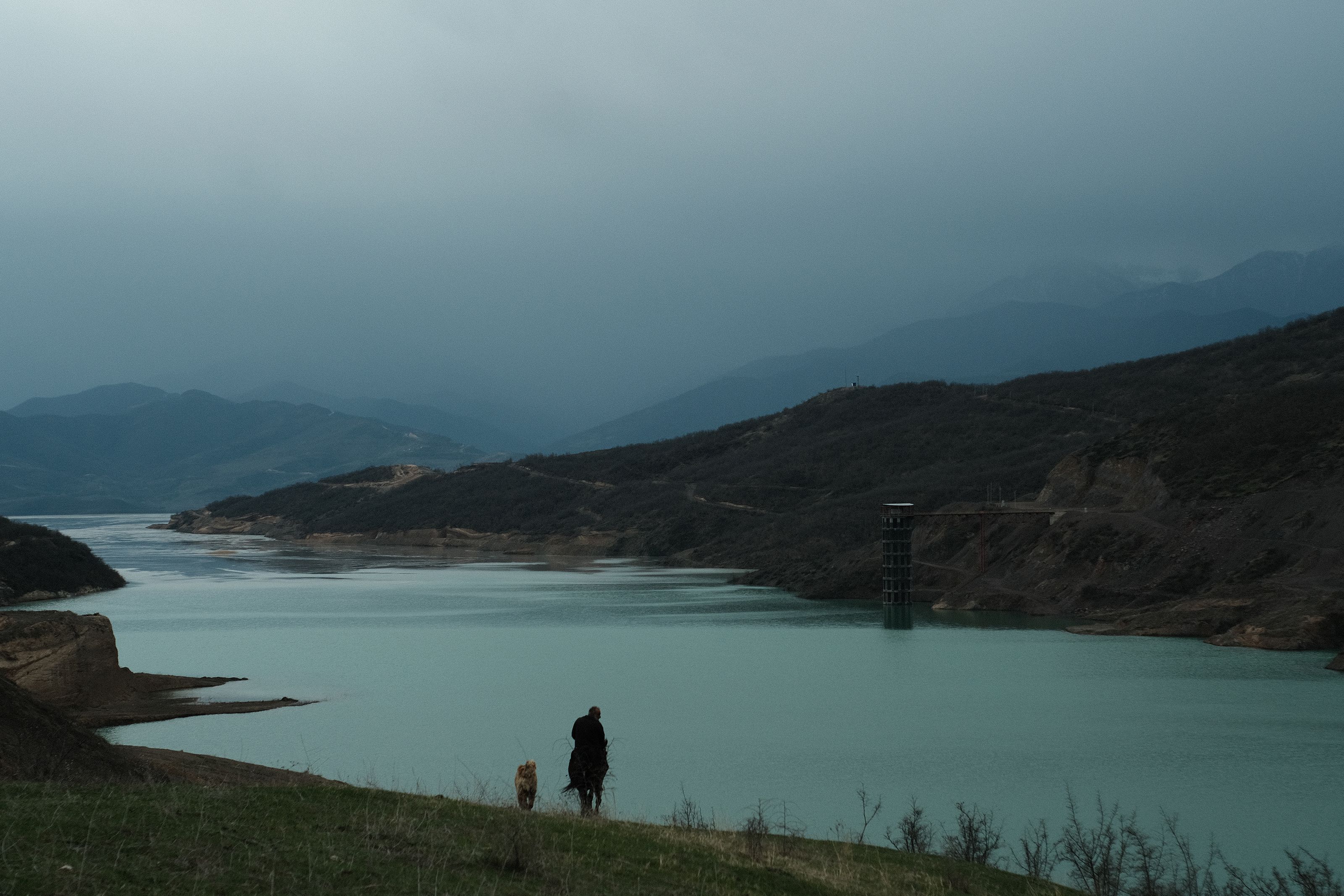
the man, the horse and the dog
come from the hill
from Artsvanik
where is this tail
going
it goes nowhere
rushing to gather his cows
from around
turquoise waters
he asks says
are you photographing
the poisons
there’s some cote
around
not built not used anymore
rather built rebuilt
the cows drown sometimes
inside
and nobody
can save them
or they go
and take them out
no they can’t
we heard these stories
since our childhood
they say
well we don’t need
their money
but what can we do
it’s good for the village
financially
go to the cemetery
and look
people used to live
up to
their fifties
and now they live
up to
their eighties
when the average age
in our country
is about seventy
the cemetery is uphill
as always
up to up to
is it coming to this cemetery too
in Artsvanik they said it’s coming
to this cemetery
up to
the cemetery
somebody said
it already came
it already came
to the cemetery
coming and not going
and all the headstones
are covered with
white dust
but it will
upload till
up to
the end of this tower
(back in
the town
do i feel bad
for avoiding
eating
the cheese
we brought)
from Sevakar
kids would go
to that sour water spring
as well
and somebody wanted
to turn it
into sanatorium
but it did
not work
out
maybe it would
if our men lived
up to up to
the sour water
was a legendary
place
wasn’t it in our village
no it was really far
did you have your own
in your village
too
is it really
under the tail now
we took eggs
potatoes
and sugar
and we would take
all the water
out
put it in that
nearby river
and we would wait
for the new clear
water to come
from under the rock
for a few hours
and we would mix it
with sugar
to drink lemonade
and then we would
go inside
in clothes
and we argued
with the kids from Chapni
it’s ours
no it’s ours
throwing rocks
at each other
and nobody had cameras
but we did
later on
and we took so many photos
but sadly
one day
the film
fell into our
river
and your grandfather
had a patch of soil
there
too
and they would go
and it’s left under
we went there
to collect walnuts
together
and when the combine came
and said
they wanted to buy
their lands
they agreed
you get to
either sell them or
leave the villages
and she said
why are you
allowing this
it is your fathers’
lands
and they said
we can
not work on them
anymore
we are old
it is toxic
it is fine
the norm is half a meter
from the village
and it is not
that close
maybe eight hundred
or something
but it is toxic
it is fine
and a man says
he offered a plan
to put all this
inside the holes
we have from mining
in our
mining village
where our cemetery
mine and the other girl’s
is
but nobody wants
to unite
around this
and he says
the Soviets calculated it
all
and they would close it
on time
if they lasted a bit longer
but then these
capitalists came
and they don’t
care about us
but when they
took it out of the city
sixty years ago
it became a city
and when we talk
about the tail
we say tail
but we have five or so
and smaller ones
they dry them up
and the first one
the Kajaran one
got closed long ago
but you know
when I go there
my car gets weak
shhhhhhhh don’t speak
but you know
there’s this guy
he says that
the panels were built
from the waste there
and the buildings
are radioactive
anyways the half-life
must be over
smile smile
and when they found uranium
they came and said
uranium is good and safe
as if
we didn’t know
what uranium is
and our guys went there
at night
and destroyed all their machines
yes they did
but the big tails
used to be small
and talking
about the big one
they say it used
to be small
just like the other one
the one near the village
where we used to swim
we were young
we would swim
and then get washed
in a nearby spring
and you know
you can still do that
if you want
am i
(is this)
artificial
as the tail
are we alike
but we do not
unite
but we could
and we could
cry
three hundred
and twenty five
billions
cubic meters
of tears
too
adding salty waters
to all the sour ones
but we do not
have space
to store them
don’t you know
they wrote
all our country
is becoming
a huge tail
would we have
many jobs then
sweet sweat
absorb stain
but dries up
finally sweet waters
and this
something
must get
cut off
but
how hard
it is
to do
so
with any
tail
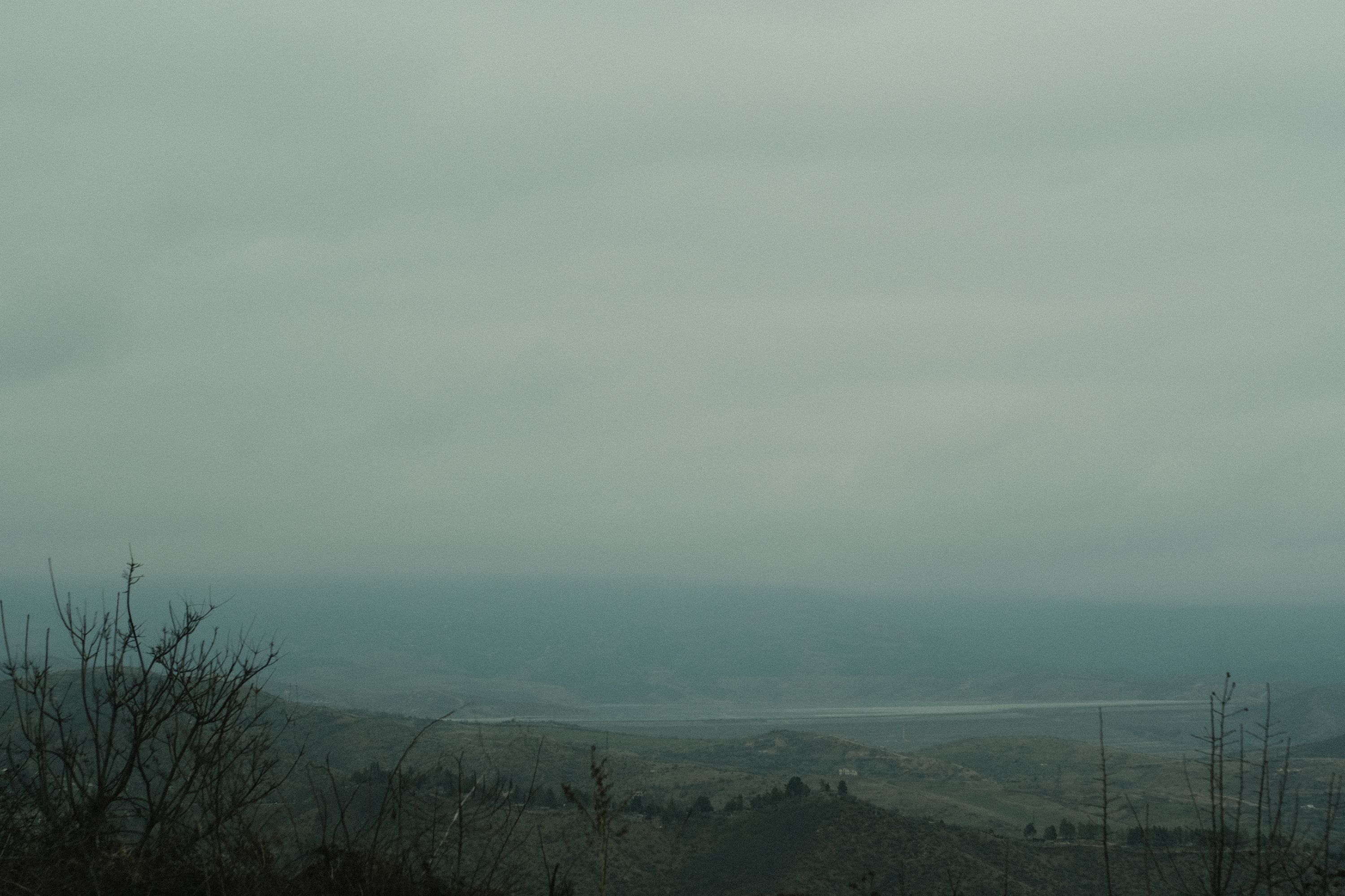
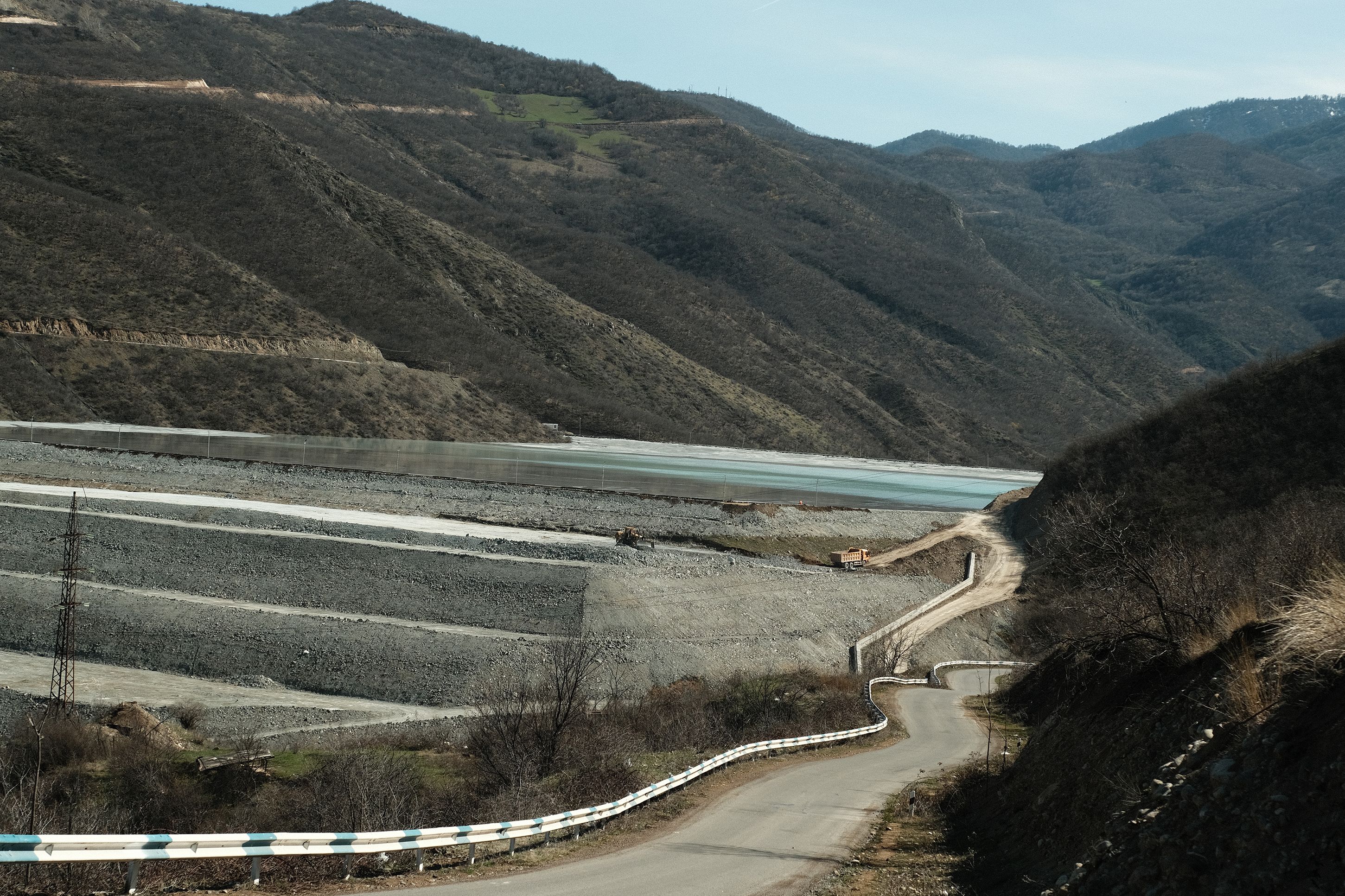
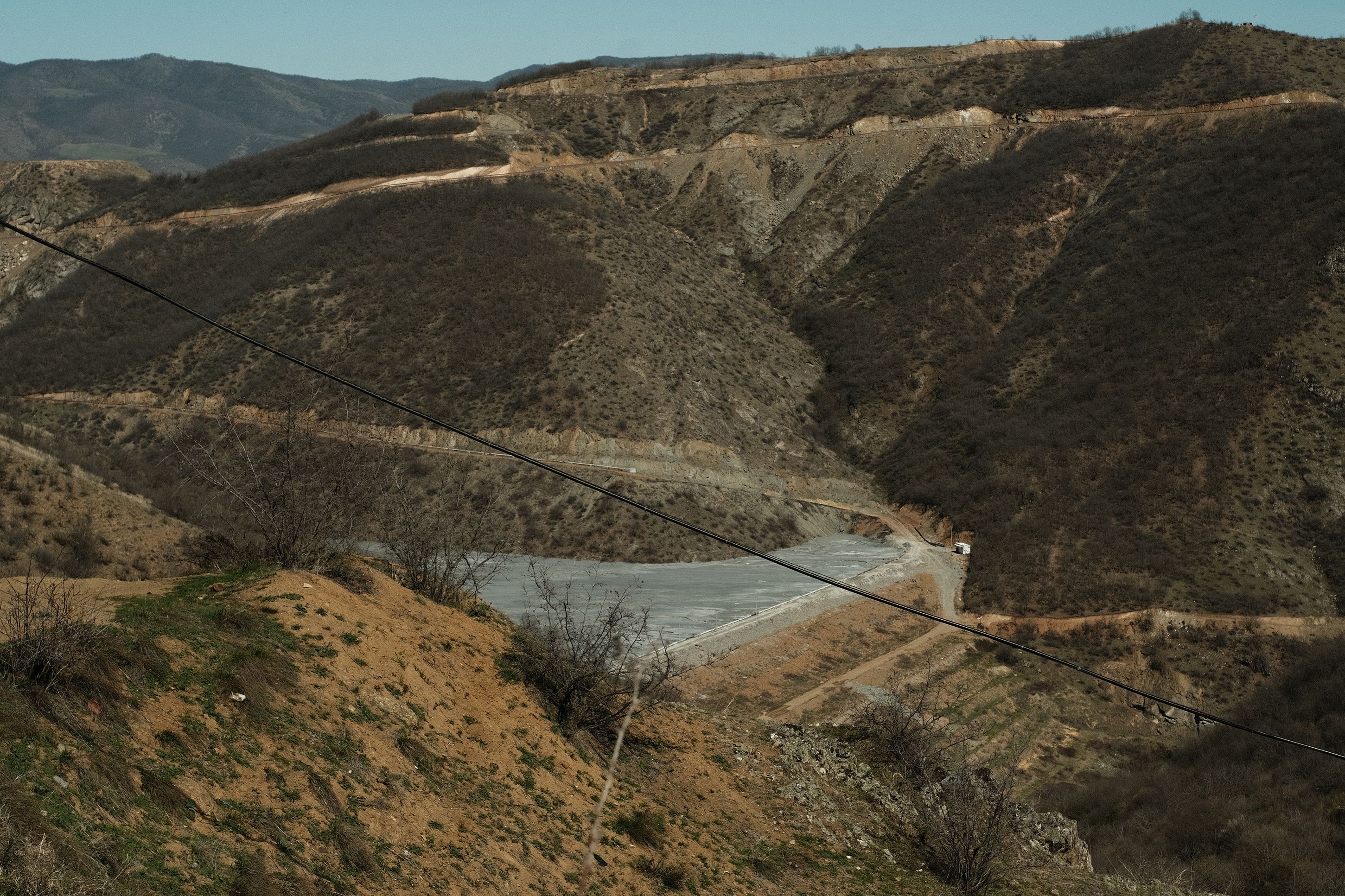
The two main tailings are the products of two branches of the copper-molybdenum combine, operating since 1952. The one in Kapan has the tailing in Gehanush, Kajaran’s one — in Artsvanik. The smaller tailings can be found around Kajaran. Until constructing these tailings in the 50s-60s, the waste ended up in Voghji river that flows in Kapan.
skip